
Deworming? Ask Your Vet

A successful deworming program isn’t just about which drug to use. By considering both chemical and non-chemical parasite-control strategies, you and your vet can be part of the effort to prolong the effectiveness of the drug classes currently available (by slowing down the development of dewormer resistance). “It’s important to invite yourself in to be part of the process,” advises Dr. Wendy Vaala of Merck Animal Health. She encourages owners to have their vet out for a parasite-control visit, then take control of the conversation with these discussion starters: What parasites should I be worried about on my farm? When, why, and how often should fecal egg counts be performed? What non-chemical parasite-control strategies (such as pasture rotation) are realistic for my set-up?
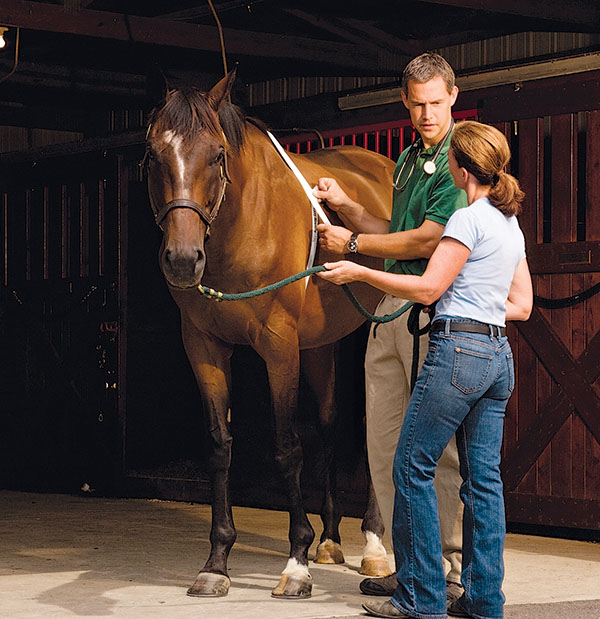
Come up with a deworming strategy with your vet.
Photo courtesy of Merck Animal Health

Read More:
A Modern Approach to Deworming
Parasite Control
Easy Ways to Deworm Your Horse

RELATED
Is the problem deeper than the surface?
Jim Masterson's Tips to Differentiate Between Behavioral or Physical Issues in Your Horse
DEEP BREATH
Winter Cough in Horses: Management, Treatment, and Prevention
Put Your Skills to the Test!
Conformation Clinic: Ranch Sorting Geldings
HORSEKEEPING
Rehabbing a Foundered Horse
MYTH BUSTERS
5 Horse-Care Myths Veterinarians Want You to Stop Following
Conformation Clinic
Conformation Clinic: 2-Year-Old Reining Mares
Topics
Tags
⎯ KEEP READING ⎯
Horse and Rider
Privacy Overview

This website uses cookies so that we can provide you with the best user experience possible. Cookie information is stored in your browser and performs functions such as recognising you when you return to our website and helping our team to understand which sections of the website you find most interesting and useful.