



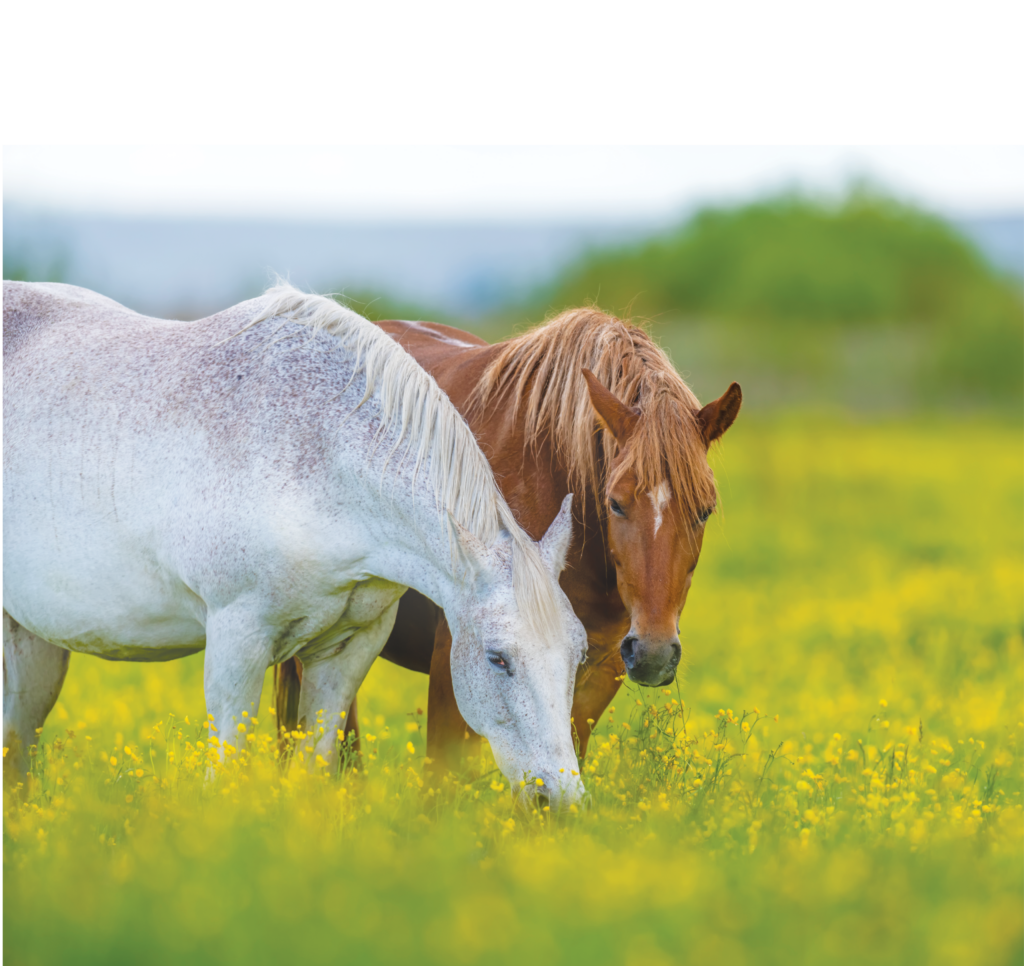
That peaceful pasture scene isn’t always as harmless as it looks. As tick populations rise, so does the risk of tick-borne disease for horses. Here’s what every owner needs to know.
It’s a dream-like visual: Looking out at your horse grazing on a lush pasture, shaded by trees. Or riding a trail under a canopy of leaves on a warm day. But those dreams can turn to nightmares when ticks enter the picture. Climate change and humans moving into tick habitats mean that tick-borne diseases are on the rise, putting your horse at risk.
Most Common Tick-Borne Diseases
Lyme Disease: Transmitted by black-legged ticks/deer ticks and Western black-legged ticks. Symptoms are nonspecific because the bacterium transmitted impacts various systems, but your horse might have a fever, be lethargic, and lose his appetite. He also might display intermittent lameness and joint swelling. In severe cases, he can exhibit neurological symptoms, such as loss of coordination.
Anaplasmosis: Transmitted by black-legged ticks/deer ticks and Western black-legged ticks. Anaplasmosis is a bacterial infection that affects your horse’s blood cells. Your horse might exhibit discoordination, fever, lethargy, and stocking up.
Equine Piroplasmosis (EP): Transmitted primarily by southern cattle ticks and tropical horse ticks. The tick transmits parasitic protozoa that destroy red blood cells. Signs include fever, jaundice, and lethargy, as well as colic, stocking up, and potentially respiratory distress and organ failure.
Prevention
Routine checks: Grooming plays a vital role in many aspects of horse care, and especially in early identification of a tick. Check warm, protected areas (ears, girth, under the mane, at the dock of the tail), as well as his legs. Also look for skin damage/a scab for where a tick dropped off.
Look for itching and discomfort: Scratching/rubbing and soreness to the touch can indicate the need for further investigation for a tick. You might also notice hair loss.
Use acaracides: Topical, feed-through, and environmental acaracides can repel ticks. Be aware that oral acaracides still allow the tick to bite your horse.
Manage your property: Mow, trim trees and hedges, and clear brush to reduce your property’s lure for ticks.
Call a pro: Work with a professional in pest control or seek information from your local extension office.
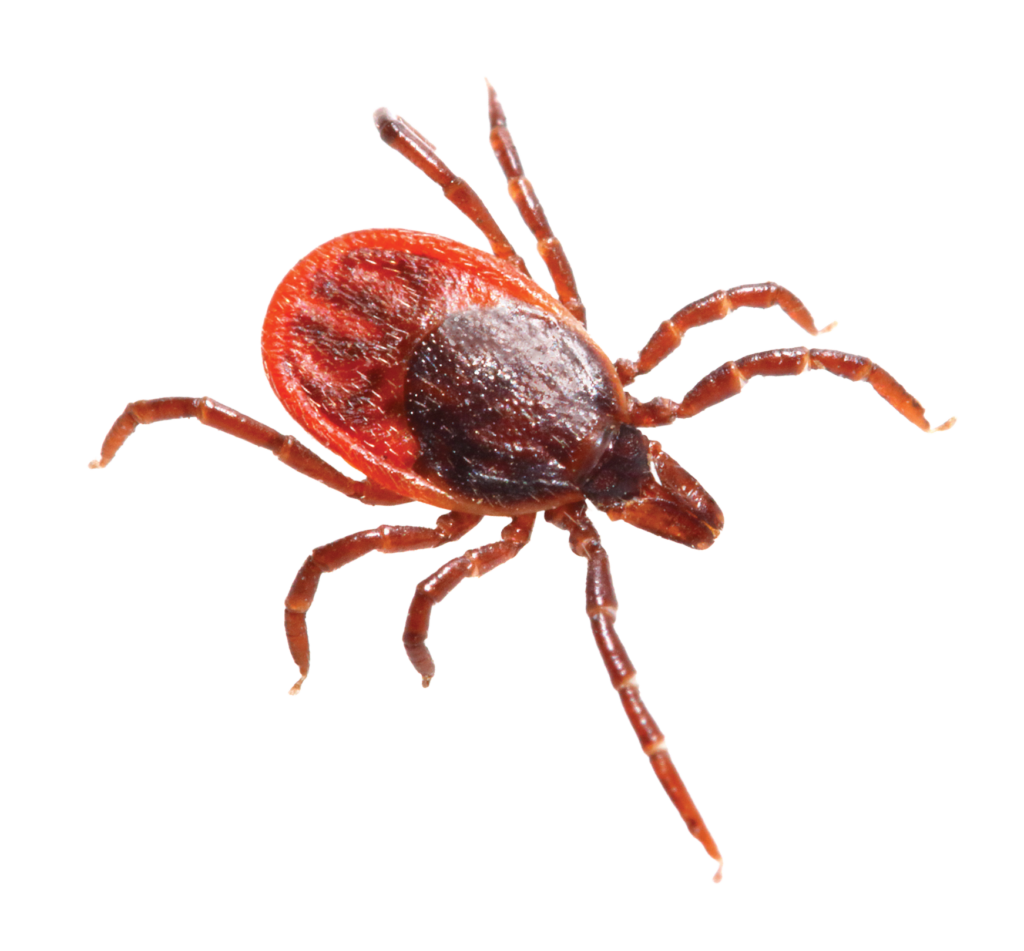
Tick Removal
- Secure your horse.
- Part the hair.
- Use tweezers to grasp the tick as close to the skin as possible.
- Pull it out with steady, even pressure—no twisting or jerking.
- Dispose the tick in a container or wrapped in tape so it can’t attach to another animal.
- Thoroughly wash your hands.