



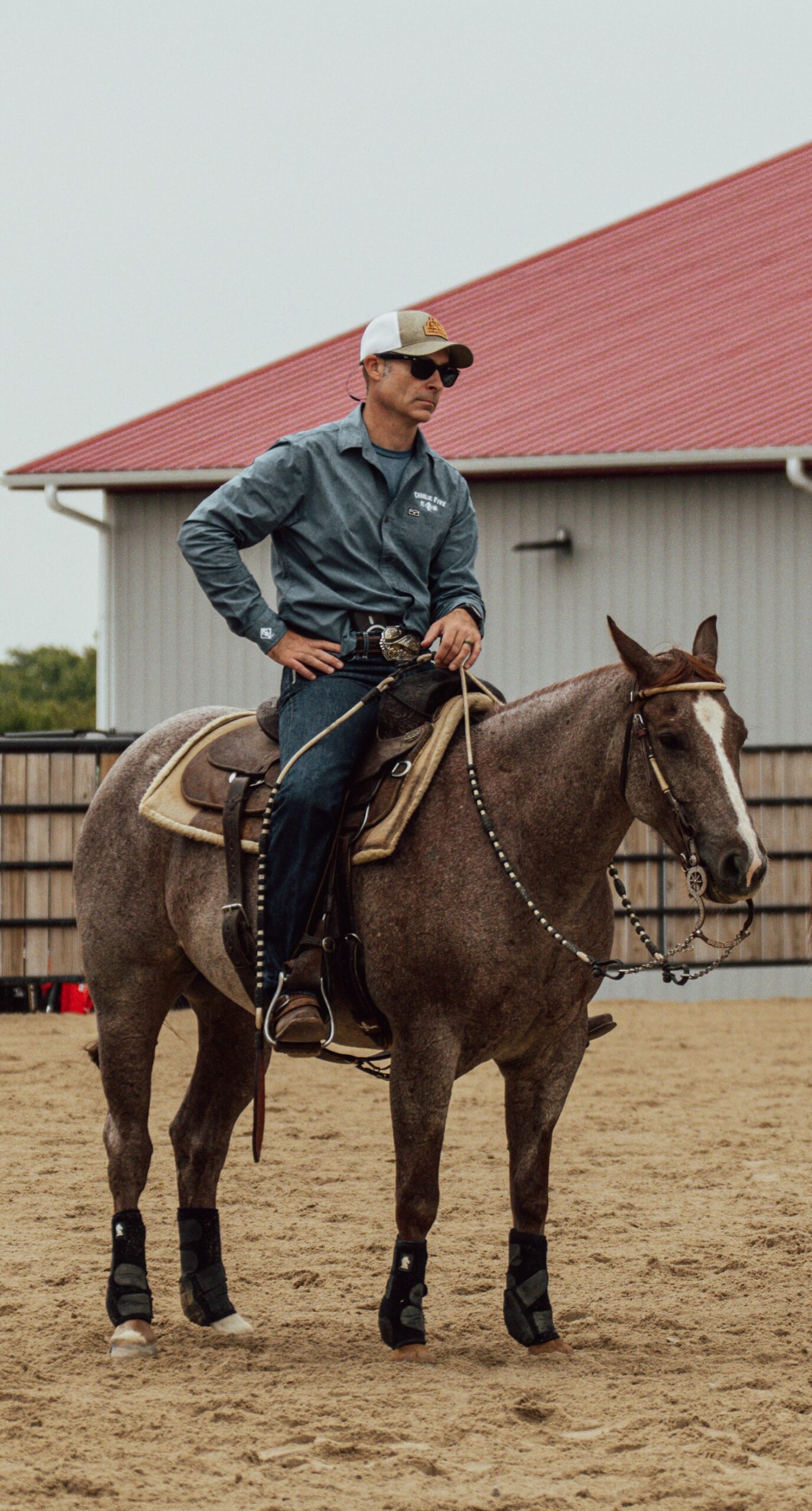
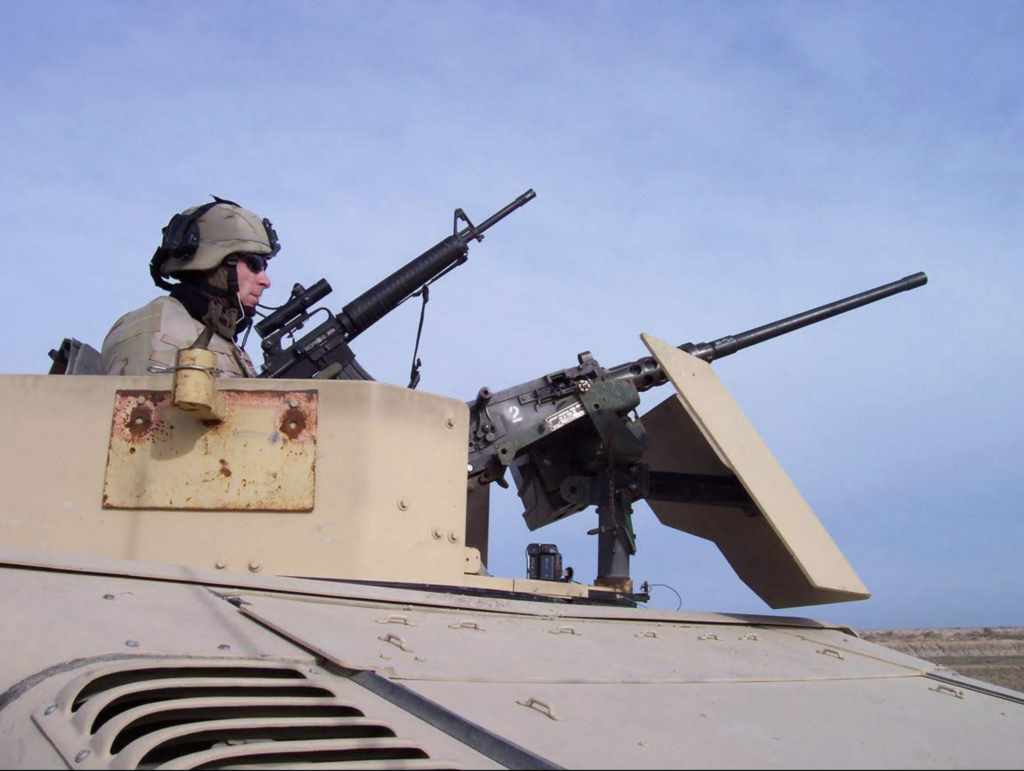
Jeremy Svejcar served in the United States Army from 2000 to 2010, including multiple wartime deployments, mostly in the Middle East, to places like Iraq and Kuwait. Like so many veterans, returning to civilian life proved almost fatal for Svejcar, who re-discovered his capabilities through a horsemanship program. Since that program’s completion, Svejcar and his wife, Rose, formed Charlie Five to ensure military veterans and first responders could continue their horsemanship journeys right into competitive performance horse arenas.
This interview will be the first of a series featuring Charlie Five and the people behind the brand, including the veterans and first responders as well as the performance horse industry icons who support the Charlie Five mission.
Photo: courtesy Charlie Five
Horse&Rider: You spent about a decade in the military. What does that kind of experience prepare you for—and what doesn’t it prepare you for?
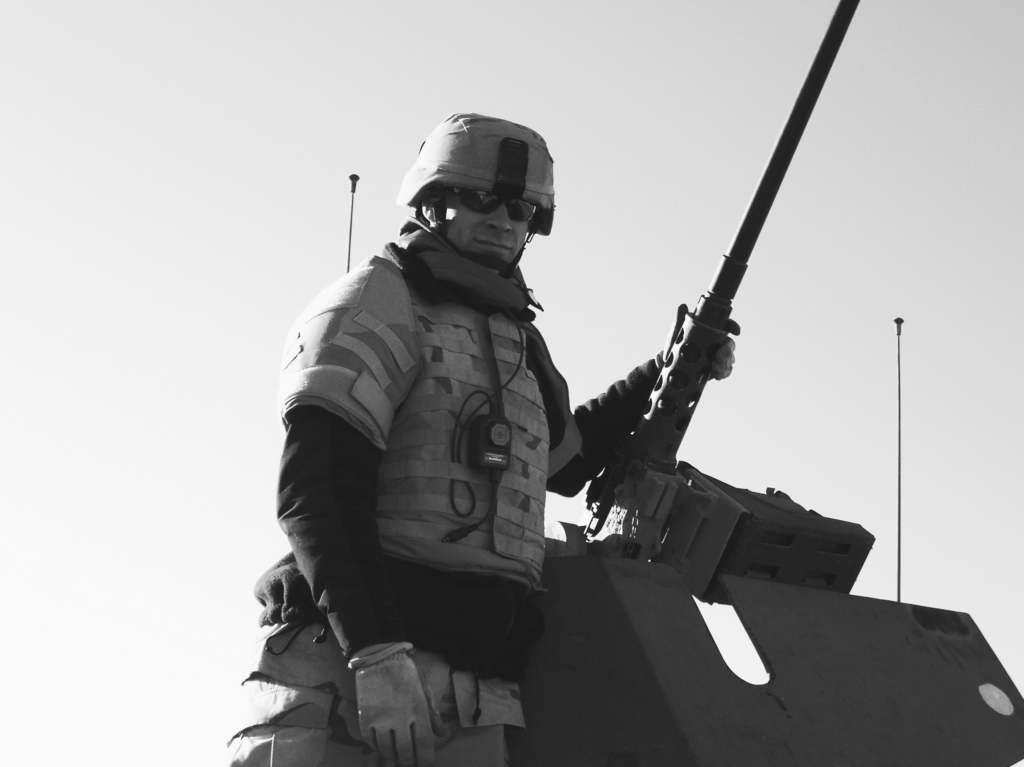
Jeremy Svejcar: We trained to perform through exhaustion, fear and pressure. We learned to make quick decisions, adapt on the fly and keep going when we were exhausted and quitting wasn’t an option. We did it because the people beside us mattered. They depended on us to make it home, and we depended on them for the same. Sometimes those moments ended in accomplishment. Sometimes they ended in tragedy. Either way, intensity became normal.
Then there comes a day when you take the uniform off for the last time, and you realize nobody taught you what to do with everything that’s still switched on.
H&R: What did that transition look like for you?
JS: In 2010, I walked away from military service and immediately began asking myself what I was going to do next. It was a scary time in my life because I felt like I didn’t belong anywhere. The civilian world was no longer familiar. I struggled to find my place as I tried to carry the weight of a decade of war, multiple deployments and enough stubborn pride to bottle up most of the struggle.
In the years that followed, I became less and less present in my own life. Eventually, something as simple as going to the grocery store could cause a panic attack. I withdrew from friends and family and did irreparable damage to relationships because so much of what I was dealing with manifested itself as anger. It took me a long time to admit that during those years I came dangerously close to taking my own life.
H&R: Grappling with ending your life is an experience many veterans and first responders share. How did you find your way forward?
JS: In 2016, I applied to Heroes And Horses, a program that prided itself on transforming veterans through horsemanship. I thought it was worth a shot to step beyond the years of prolonged exposure therapy I had done at the VA. Fortunately, I was accepted, and I made myself a promise that no matter what happened, I would finish. No excuses.
H&R: What was it about working with a horse that began to change things for you?
JS: There was something healing about the relationship with the horse, even when I became frustrated. Waverly was buddy-sour and had a mind of his own, but there was also something comforting about having him there. He was company. I wasn’t out there alone.
At the same time, I was responsible for him. Hungry, cold and exhausted, I still had to pay attention, make decisions and keep going when things weren’t going well. I had promised myself I would finish, so I stuck with it.
Somewhere in that process, I started realizing those switches weren’t broken. I had been trying to force myself into someone else’s definition of normal when the capabilities I thought I had lost were still there.
No program, therapist or horse could do the work on my behalf. They could create opportunities for healing and growth, but I still had to decide what I was going to do with them.
There was something healing about the relationship with the horse, even when I became frustrated.
— Jeremy Svejcar
H&R: Those moments led to what you call post-traumatic growth—finding strength through trauma. What did that look like?
JS: Those moments opened the door to what I’ve come to understand as post-traumatic growth. I began seeing the world in a way that felt strangely familiar—more like I had seen it before my first deployment in 2002. There was hope and opportunity in front of me, and I didn’t feel like I had to lurk in the shadows anymore.
H&R: What did you do with that momentum once you got home?
JS: I knew I had to do something to keep moving forward. I had spent too many years stuck to let that sense of possibility disappear. I brought that momentum home to my wife, Rose. In those early days of growth, I sometimes felt like she was looking at me as if to say, “Who are you, and what did you do with my husband?”
That didn’t mean everything suddenly became easy. There were difficult times that left both Rose and me asking the same question: What next? We had little money saved, but I knew stepping away from the horses would likely mean crawling back into the dark hole I had just come out of. So I asked Rose, “What if I start a nonprofit and train horses to give to programs?”
She jumped on board, helped write the bylaws and did the work alongside me to build a charitable organization. Charlie Five was born.
H&R: So you had a nonprofit and an idea. What happened next?
JS: I began reaching out to equine-assisted therapy and veteran horsemanship programs, only to learn that some were understandably a little leery of a random guy calling them up and offering free horses. In the process, though, I connected with some like-minded veterans.
These were veterans who had also completed programs and wanted something more than those programs were designed to offer. They had discovered horsemanship, felt something change and then found themselves standing at another transition point. There was a familiar feeling in those conversations—the same kind of uncertainty many of us had experienced when we were handed our discharge paperwork.
We realized Charlie Five was really for the veterans and first responders who had finished a program, found something meaningful in horsemanship and were asking, “What next?”
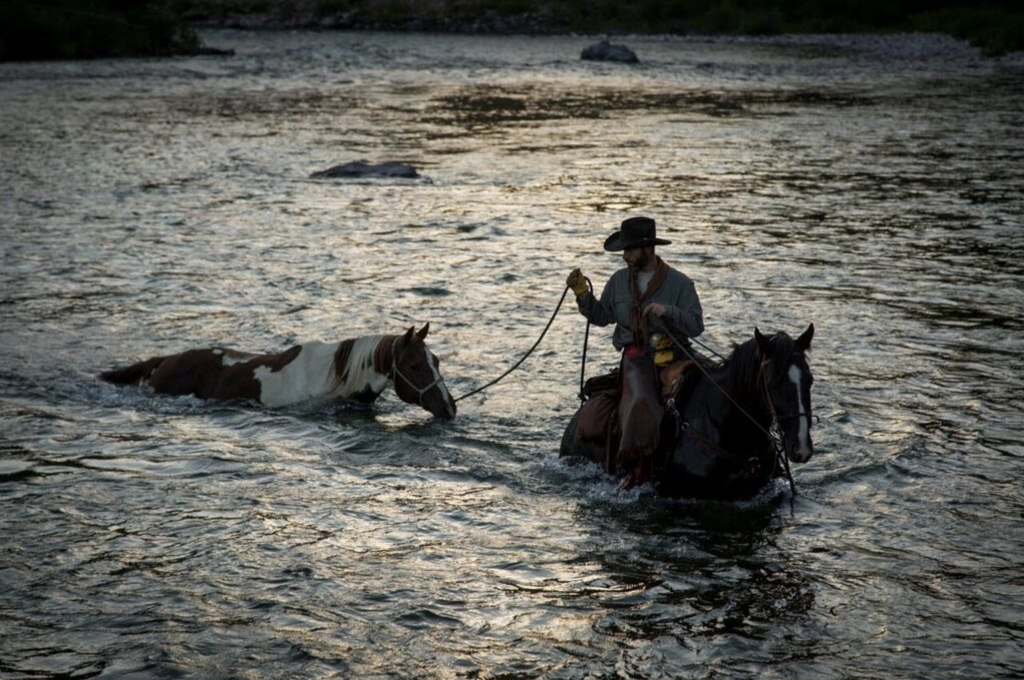
H&R: How did those conversations change Charlie Five?
JS: We never took placing horses in programs off the table and, today, there are Charlie Five horses that have served hundreds of warriors through programs across the country. But we also began to see another opportunity: we could bridge the gap between a veteran completing a program and earning his or her place in the industry.
There wasn’t a map for that. We were in uncharted territory with no credibility in an industry where who you know can make you or break you. So we leaned on something I did know: the values that had been hammered into me in the Army.
As it turned out, those values translated pretty well to the horse world. Show up. Do what you say you’re going to do. Work hard. Treat people right. Take care of your horse. Own your mistakes. Help when you can. Let your actions speak for you. Over time, that approach began opening doors to some of the best people in the industry.
Charlie Five isn’t trying to make veterans dependent on another program. We’re here to create opportunities, connect people with good horses and good horsemen, set expectations and remind our vets they possess the ability to carry on when the program ends.
H&R: You mention good horses and good horsemen. Tell us more about why it’s important for the relationship with the horse to continue beyond a program?
JS: Because the program can be where growth begins without also being where it ends. In the beginning, a controlled environment gives someone a safe place to build a relationship with a horse. There is companionship in that relationship, but there is also responsibility. The horse gives you a reason to be present because another living being is depending on you.
As your horsemanship grows, so do the responsibility and your desire to push the envelope and do more. You’re reading the horse, working through problems and learning to trust what you’re capable of together. The challenge grows with your ability.
We’ve watched people go from highly structured horsemanship programs to working cattle, competing and going down the fence in the home arena at Chris and Sarah Dawson’s, both NRCHA $3 Million Riders. The relationship with the horse didn’t disappear as the challenge increased. It grew with them.
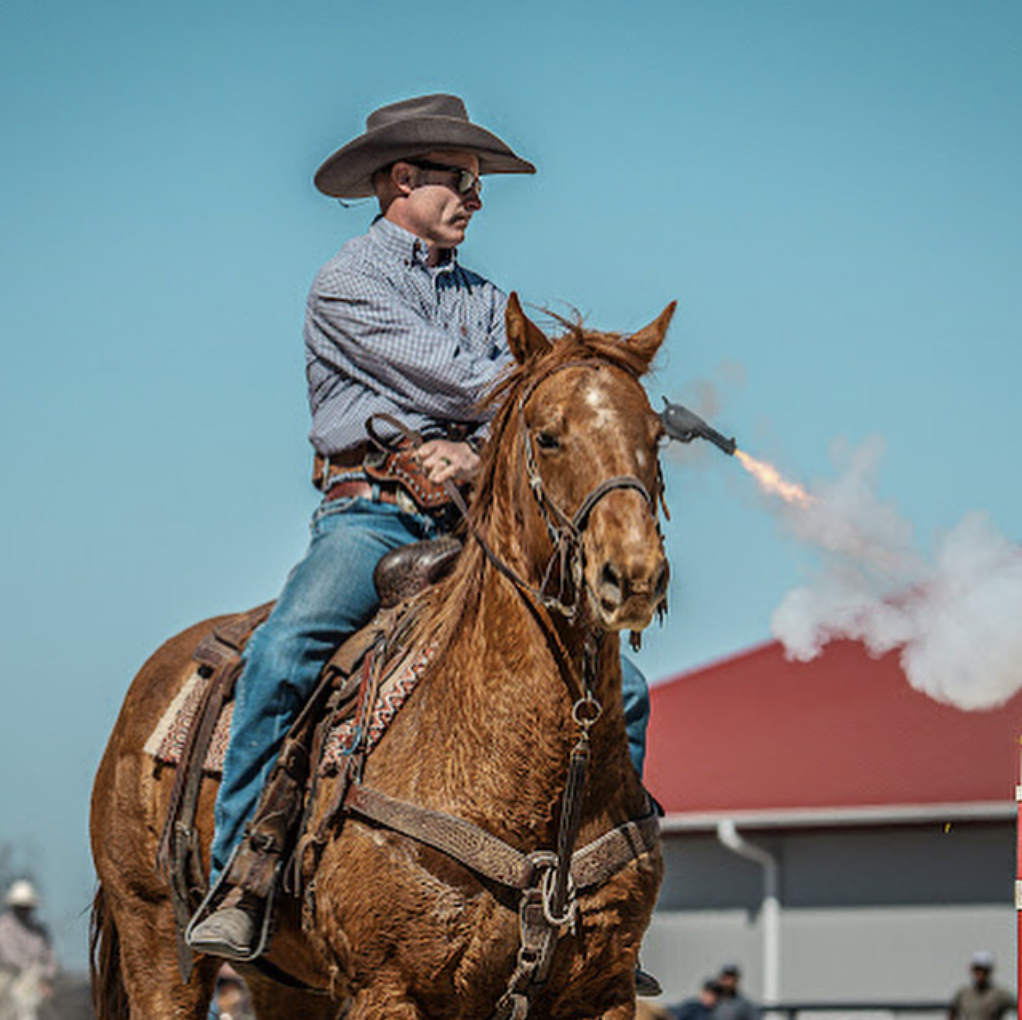
H&R: Veterans and first responders are trained to make split-second decisions under pressure. Is that part of why the horse world fits so well?
JS: Horsemanship gives us somewhere constructive to use those skills again.
The pressure is real and things can go wrong. But these intense moments can end differently. You solve the problem. You make the decision. You finish the ride. You and the horse get better.
That intensity, once tied to danger, loss and trauma, can now end in accomplishment.
That intensity, once tied to danger, loss and trauma, can now end in accomplishment.
— Jeremy Svejcar
H&R: What does post-traumatic growth look like in your life today?
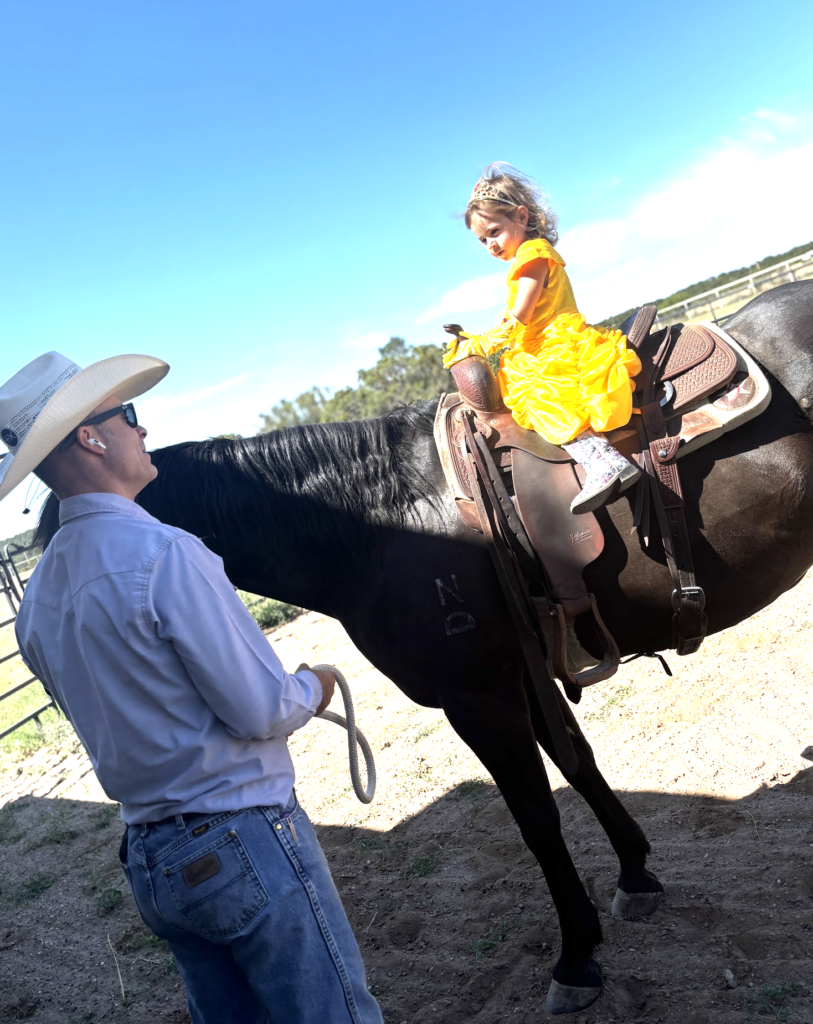
JS: With Charlie Five, I put on a starched shirt, jeans, boots and a cowboy hat and go fulfill the mission. I travel across the country and awkwardly introduce myself to rooms full of people. I work through the discomfort because the mission matters. Then I come home and have to decompress and unpack all of it.
There was a time when being a father wasn’t even an option. Today, being a husband and a dad is the largest part of who I am. I work diligently at living and being present in a life I once didn’t believe I was capable of having.
Photo: Svejcar considers being a dad to fairytale heroine Belle, aka daughter Lettie, living proof of his post-traumatic growth through horsemanship. | courtesy Charlie Five
Charlie Five
Charlie Five is a 501(c)(3) nonprofit founded and run by Jeremy Svejcar and his wife, Rose. It creates opportunities for qualified military veterans and first responders who need a horse to take them to the next level in the Western performance horse world. Since its founding in 2016, Charlie Five has filled a gap for men and women who find healing through horsemanship programs but graduate without a next step. Under its motto, “Earned. Not Given,” Charlie Five matches warriors with horsepower that can carry them into the industry’s most competitive arenas.
“We expect a lot from the veterans and first responders who want to become part of Charlie Five because the horse doesn’t get a choice in the matter. Our first responsibility is to the horse. When we place a horse with someone, that person assumes responsibility for another living animal. The participant has to be willing to learn, prepare, show up, ask for help, put in the work and provide the level of care that horse deserves. We can support them, mentor them and create opportunities, but we cannot do that work for them. That responsibility is part of the growth.”
If you or someone you know is struggling, call or text 988 to reach the Suicide & Crisis Lifeline. Veterans can press 1 after dialing 988 to reach the Veterans Crisis Line.
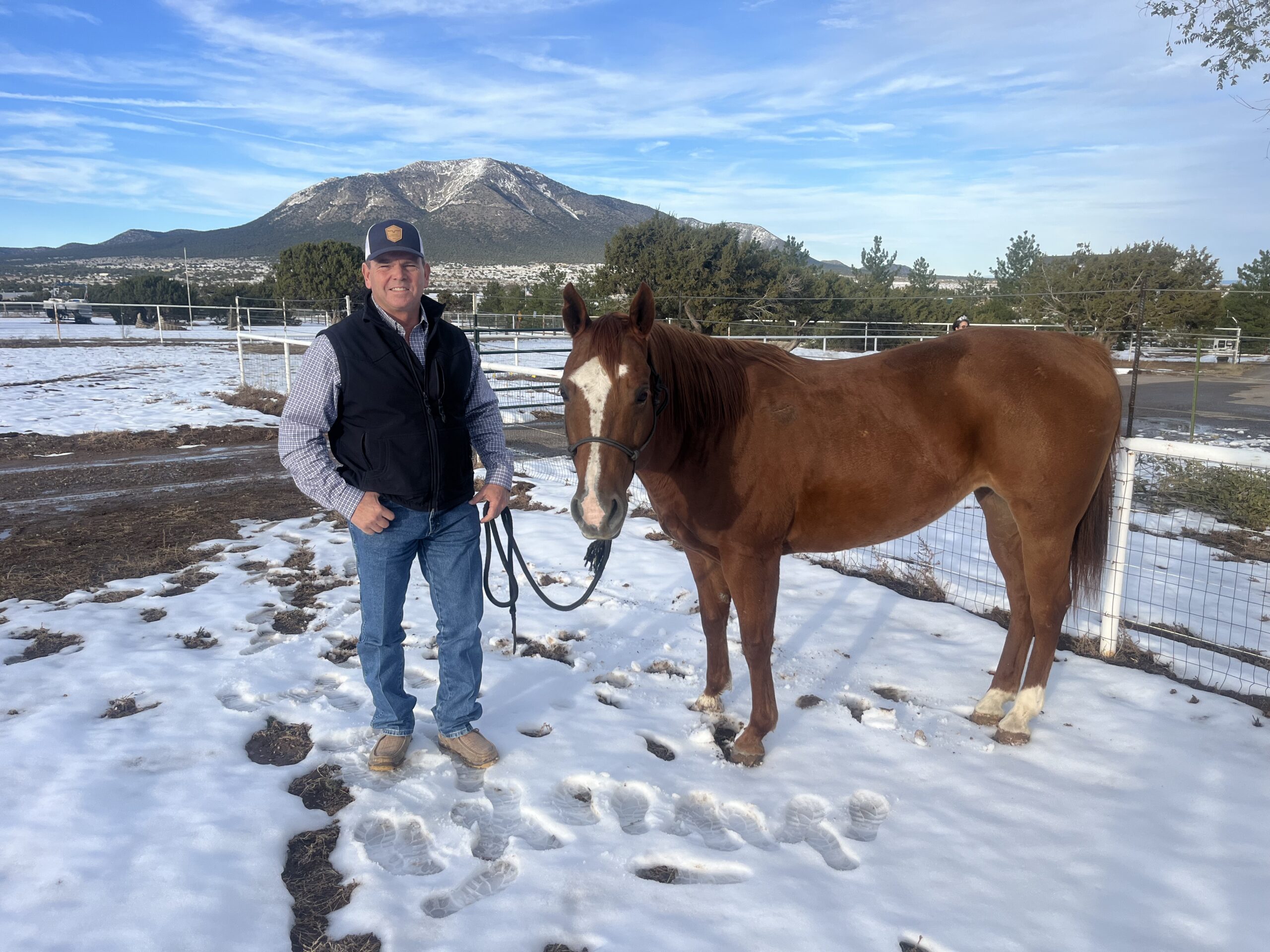
Earned. Not Given: Bill Norman
Meet Bill Norman, a military veteran supported by Charlie Five, who will be riding in an exhibition featuring War Horses for Veterans at the 2026 NRCHA Snaffle Bit Futurity.