



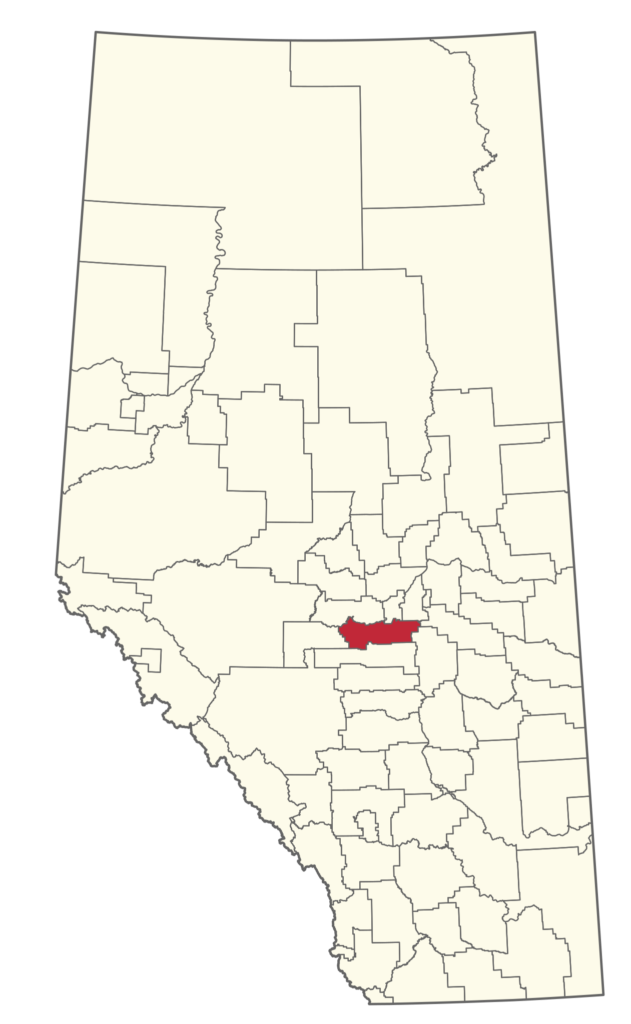
On Sept. 16, the Canadian Food Inspection Agency (CFIA) confirmed a horse in Leduc County, Alberta, positive for equine infectious anemia (EIA). The horse’s owner had requested testing because the animal was showing clinical signs of EIA. The horse was euthanized due to its rapidly deteriorating condition.
The horse had lived on three different properties within the last year while showing signs of EIA. The CFIA is investigating the case and has instituted official quarantine and movement controls for animals on the premises that might have had contact with the affected horse. Movement controls will remain in place until all disease response activities have been carried out, follow-up testing is complete, and any positive cases are euthanized. The CFIA might take additional action at locations where trace-out activities occurred and encourages owners to implement increased biosecurity measures.
EDCC Health Watch is an Equine Network marketing program that utilizes information from the Equine Disease Communication Center (EDCC) to create and disseminate verified equine disease reports. The EDCC is an independent nonprofit organization that is supported by industry donations in order to provide open access to infectious disease information.
About EIA
Equine infectious anemia is a viral disease that attacks horses’ immune systems. The virus is transmitted through the exchange of body fluids from an infected to an uninfected animal, often by blood-feeding insects such as horseflies. It can also be transmitted through the use of blood-contaminated instruments or needles.
A Coggins test screens horses’ blood for antibodies that are indicative of the presence of the EIA virus. Most U.S. states require horses to have proof of a negative Coggins test to travel across state lines.
Once an animal is infected with EIA, it is infected for life and can be a reservoir for the spread of disease. Not all horses show signs of disease, but those that do can exhibit:
- Progressive body condition loss;
- Muscle weakness;
- Poor stamina;
- Fever;
- Depression; and
- Anemia.
EIA has no vaccine and no cure. A horse diagnosed with the disease dies, is euthanized or must be placed under extremely strict quarantine conditions (at least 200 yards away from unaffected equids) for the rest of his life.
