

Louisiana Botulism Outbreak Update
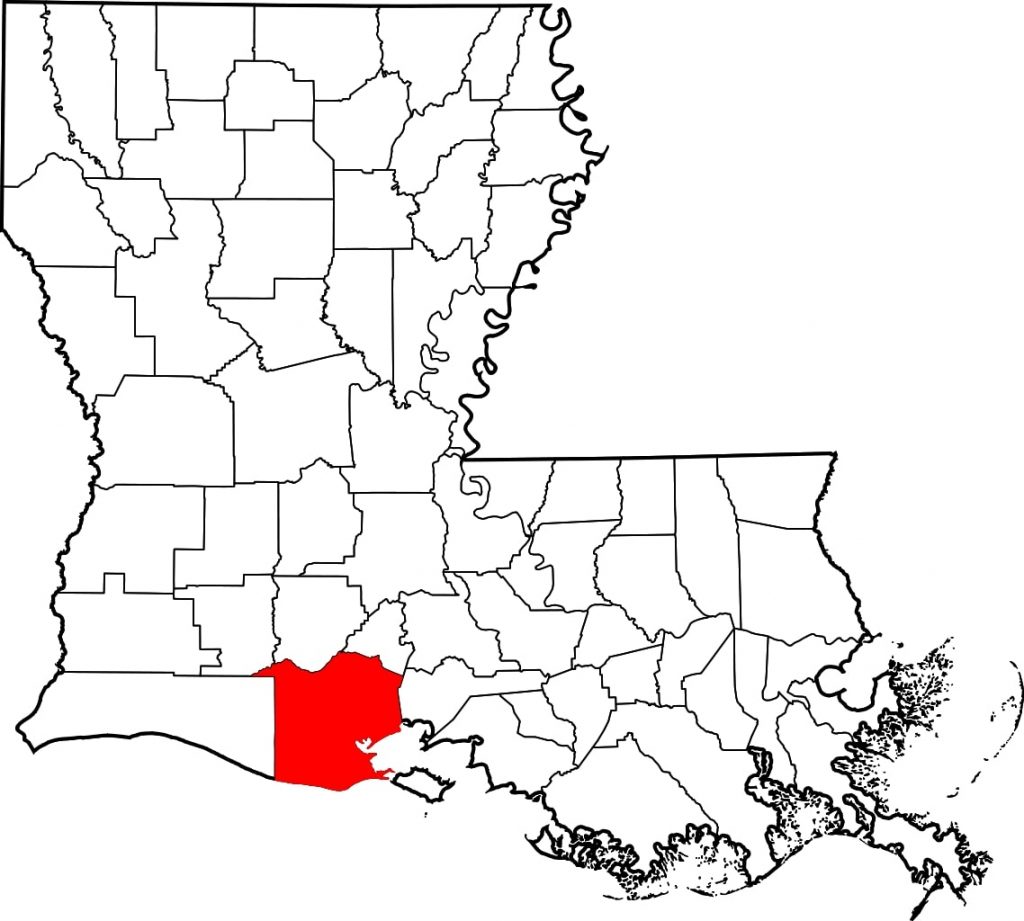
The botulism outbreak that became a multi-state epizootic originated in Vermilion Parish County, Louisiana.
The botulism outbreak that became a multi-state epizootic originated in Vermilion Parish County, Louisiana. | Wikimedia Commons

The Louisiana Department of Agriculture & Forestry (LDAF), in cooperation with the U.S. Food and Drug Administration (FDA) and the California Animal Health & Food Safety Laboratory (CAHFS), has confirmed the presence of Clostridium botulinum type C in alfalfa hay cubes linked to the death of at least 20 horses in Louisiana.

The incident evolved into a multi-state epizootic of botulism linked to the same alfalfa cubes. There were at least 28 similar horse deaths in New Mexico, Texas and Colorado, with many other horses becoming critically ill.

Equine Botulism is a condition caused from a bacterial toxin produced by Clostridium botulinum. In this incident, the condition was likely caused from direct ingestion of the toxin produced by the vegetative bacteria through contamination of the alfalfa hay cubes. 

EDCC Health Watch is an Equine Network marketing program that utilizes information from the Equine Disease Communication Center (EDCC) to create and disseminate verified equine disease reports. The EDCC is an independent nonprofit organization that is supported by industry donations in order to provide open access to infectious disease information.

Brought to you by Boehringer Ingelheim, The Art of the Horse

Topics:
RELATED
Are you ready?
Ranch Sorting Events: November 2026
Anotha one
NRCHA Snaffle Bit Round Up, CRHA Reining, AQHA World on the Way: Weekly Performance Report Oct. 27
Leading Lady
How Mandy McCutcheon Reached $4 Million in NRHA Earnings 
New York Mare Tests Positive for WNV
Family deal
Lanham Brown Amasses $264K with NRCHA Snaffle Bit Futurity Intermediate, Limited Wins Riding Rebel De Rosa
So Sweet
Corey Cushing Claims Fifth NRCHA Snaffle Bit Futurity Title Aboard Candy Shopp
⎯ KEEP READING ⎯

Sign up for EDCC Health Watch text alerts to get notified when an equine disease outbreak is reported in your state or region.

Horse&Rider

Privacy Overview

This website uses cookies so that we can provide you with the best user experience possible. Cookie information is stored in your browser and performs functions such as recognising you when you return to our website and helping our team to understand which sections of the website you find most interesting and useful.