



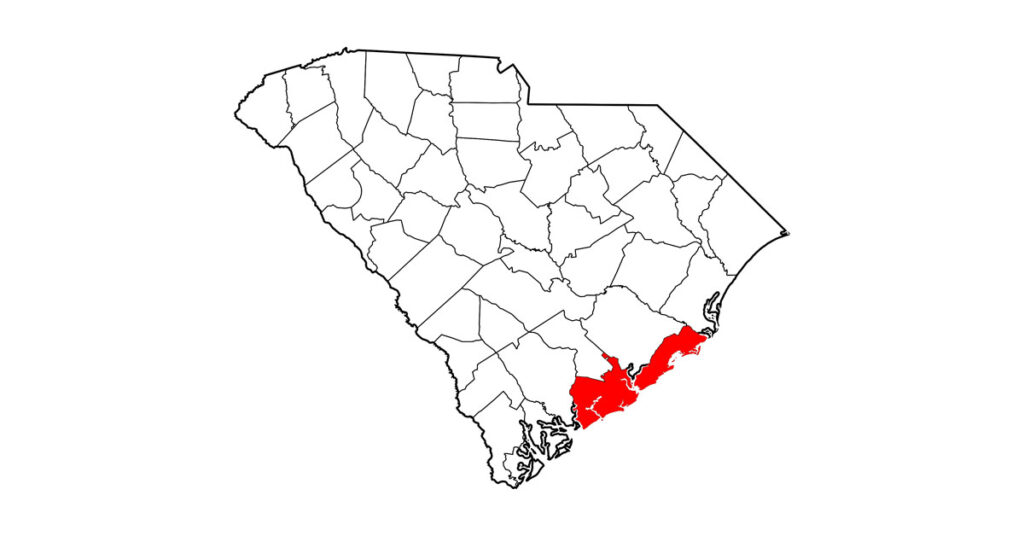
On February 2, a 19-year-old Quarter Horse gelding in Charleston County, South Carolina, was confirmed positive for West Nile virus (WNV). The horse was unvaccinated and has been euthanized.
EDCC Health Watch is an Equine Network marketing program that utilizes information from the Equine Disease Communication Center (EDCC) to create and disseminate verified equine disease reports. The EDCC is an independent nonprofit organization that is supported by industry donations in order to provide open access to infectious disease information.
WNV 101
West Nile virus is transmitted to horses via bites from infected mosquitoes. Not all infected horses show clinical signs, but those that do can exhibit:
- Flulike signs, where the horse seems mildly anorexic and depressed;
- Fine and coarse muscle and skin fasciculation (involuntary twitching);
- Hyperesthesia (hypersensitivity to touch and sound);
- Changes in mentation (mental activity), when horses look like they’re daydreaming or “just not with it”;
- Occasional drowsiness;
- Propulsive walking (driving or pushing forward, often without control); and
- Spinal signs, including asymmetrical weakness; and
- Asymmetrical or symmetrical ataxia.
West Nile virus has no cure. However, some horses can recover with supportive care. Equine mortality rates can reach 30-40%.
Studies have shown that vaccines can be effective WNV prevention tools. Horses vaccinated in past years need an annual booster shot, but veterinarians might recommend two boosters annually—one in the spring and another in the fall—in areas with prolonged mosquito seasons. In contrast, previously unvaccinated horses require a two-shot vaccination series in a three- to six-week period. It takes several weeks for horses to develop protection against the disease following complete vaccination or booster administration.
In addition to vaccinations, owners should work to reduce mosquito population and breeding areas and limit horses’ mosquito exposure by:
- Removing stagnant water sources;
- Dumping, cleaning, and refilling water buckets and troughs regularly;
- Keeping animals inside during insect feeding times (typically early in the morning and evening); and
- Applying mosquito repellents approved for equine use.
