



As the days get longer and temperatures increase, your time in the saddle follows suit. Whether you’re hauling down the road chasing a title, meandering through the woods on a trail, or have plans for lessons or a multiday clinic, a bout of colic can bring your dreams to a screeching halt.
A severe enough case could mean lingering time off and future problems, or even the end of your horse’s life. Take care to prevent colic with a few simple steps.
1. Keep Him Hydrated
With high temperatures and increased activity come increased sweating and higher hydration requirements. If dehydrated, your horse can develop an impaction colic caused by dry manure that can’t pass through his bowels.
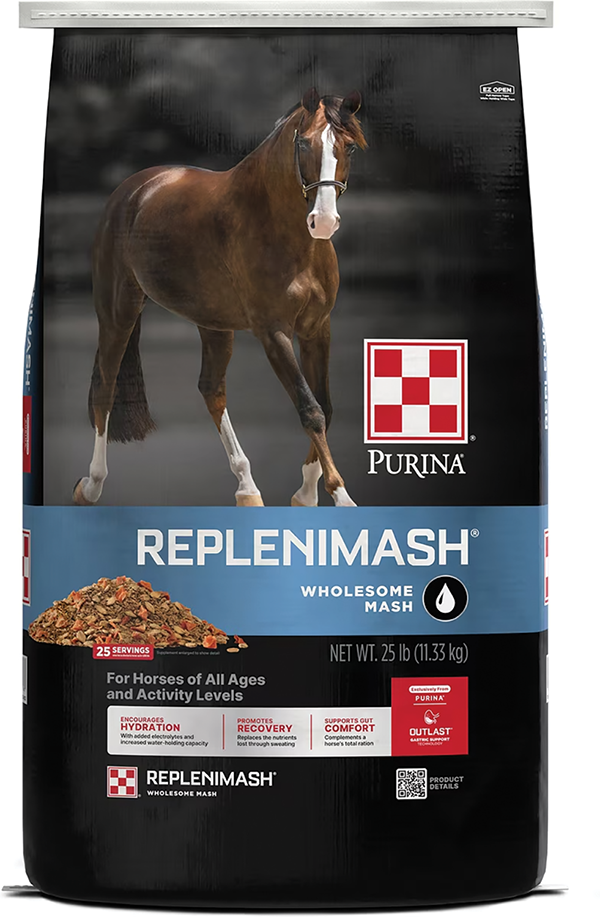
Key tips: Provide fresh, clean water. Add apple juice to encourage drinking, especially if you’re away from home. Use electrolytes to encourage increased drinking and better hydration.
2. Avoid Sparse Pastures and Sandy Grazing
As you get later into the summer, your pasture’s once-lush grass might start to dwindle, leaving bare spots of loose dirt and sand. Your horse is still committed to getting those last blades of grass, but he’s also ingesting sand and dirt, which can cause bowel irritations or blockages.
Key tips: Use hay nets and feeders to keep hay off sandy footing. Avoid overgrazed areas. Provide plenty of hydration. Enlist a psyllium supplement to help remove accumulated sand.

3. Change His Diet Slowly
Just as you eased into lush, spring grazing to avoid colic and metabolic problems, ease into a summer diet if your pasture grazing dwindles and you need to feed more hay. If you always feed hay, take time switching from last year’s cuttings to this year’s by mixing bales to get him accustomed to this year’s hay.
Key tips: Spend seven to 14 days transitioning any diet changes. Begin by replacing about 25% of your horse’s hay with the new forage and continue to replace with the new hay every few days. After a heavy rain, keep your horse off pasture to allow the sugars in the grass to regulate and avoid a bout of gas colic.
4. Be Mindful When Trailering
Many of the above steps are also important when trailering. Long hours in a hot trailer can cause stress, dehydration, and reduced movement. Nobody wants to arrive at an event with a horse in severe pain that could’ve been prevented.
Key tips: Follow all above tips. Stop for 15- to 20-minute breaks every three to four hours on the road and hand-walk your horse to get things moving, if you’re in an area where it’s safe to unload your horse. Ventilate the trailer—but don’t leave drop-down windows open without screens to avoid debris.
Signs to Look For
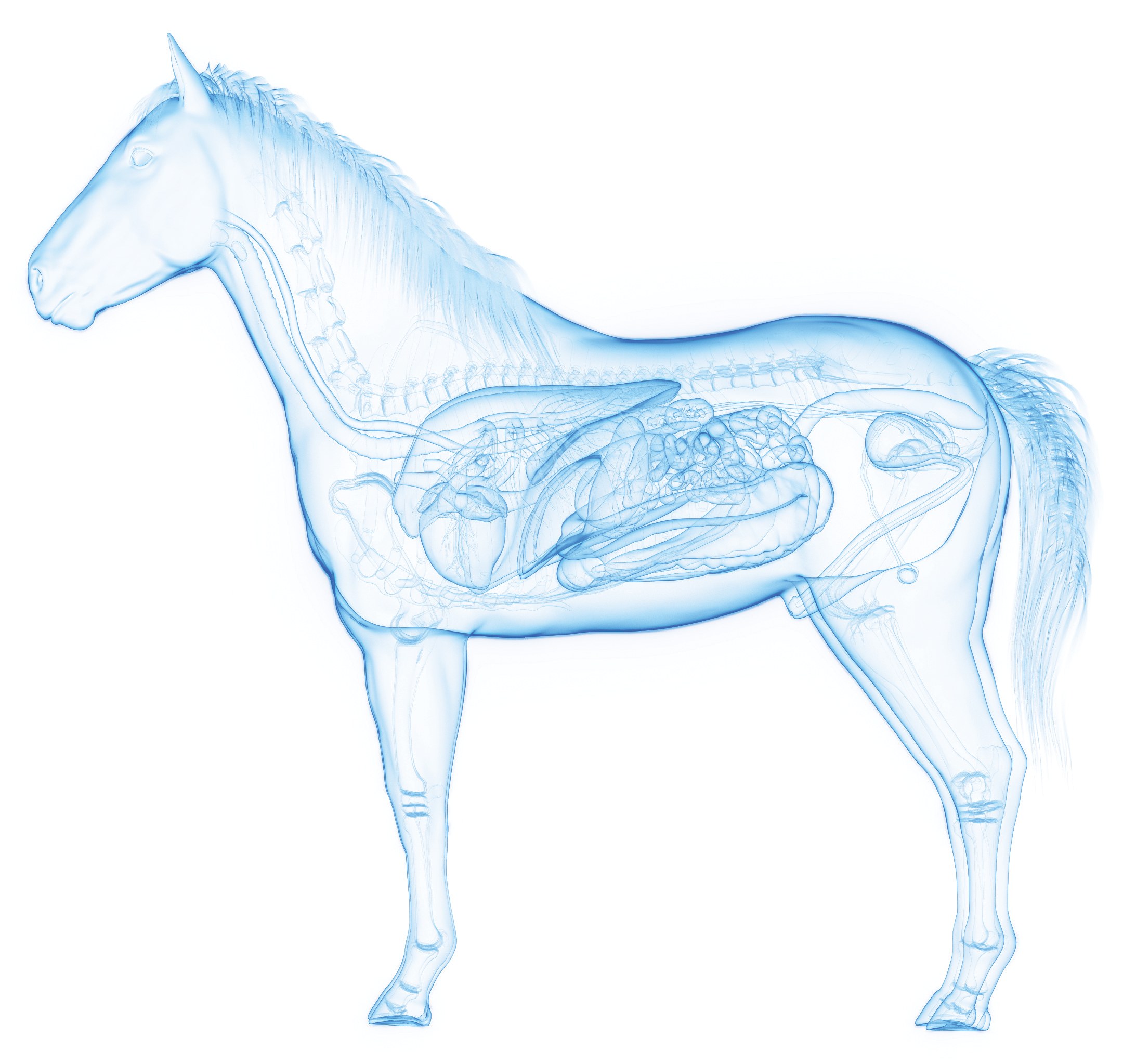
Even with the best prevention, colic can still strike. Know the warning signs so you can act fast and call your veterinarian.
- Restlessness, rolling, or lying down
- Looking, biting, or kicking at the belly
- Pawing
- Manure changes
- Refusal to eat
- Increased heart rate
- Sweating
- Changes to gums
- Reduced or absent gut sounds