



Unwanted weight loss in horses is a vast category, and it’s usually secondary to another condition. Causes span the spectrum from inappropriate dentition and poor-quality feed to herd hierarchy issues and a wide array of infectious diseases and cancers.
A veterinarian will assess your horse’s history and circumstances and will most likely perform a physical examination. After an exam a vet may decide to draw blood to reveal inflammatory reactions or perform deeper diagnostics like abdominal radiographs, ultrasound of the abdomen and thorax, or an abdominocentesis to help diagnose your horse’s weight loss.
Read More: Feeding for Weight Gain
Basic Causes of Weight Loss
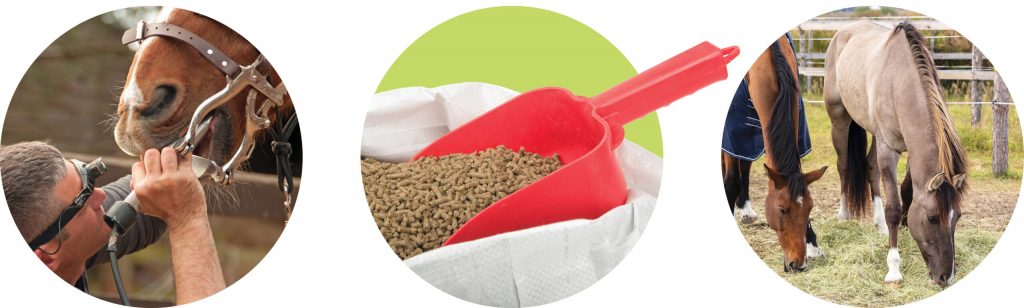
Dental Appointments
Annual dental care is one of the first lines of defense against weight loss. Dental abnormalities such as hooks, ramps, and waves can lead to less effective chewing and digestion or even pain and ulcerations in a horse’s mouth that can put him off his feed.
Feed Quality
Pasture grass that’s not thriving in winter can be a clear indicator, but sometimes feed can be lacking in less visible ways. Nutrient content varies among feed types and among different batches of the
same type of feed or stage of pasture growth.
Herd Hierarchy
A horse living among a group of horses may not be getting enough to eat due to his position in a linear hierarchy. If your horse is smaller, weaker, or newer, he may be pushed away from his feed by more dominant horses.
Foal Feeding
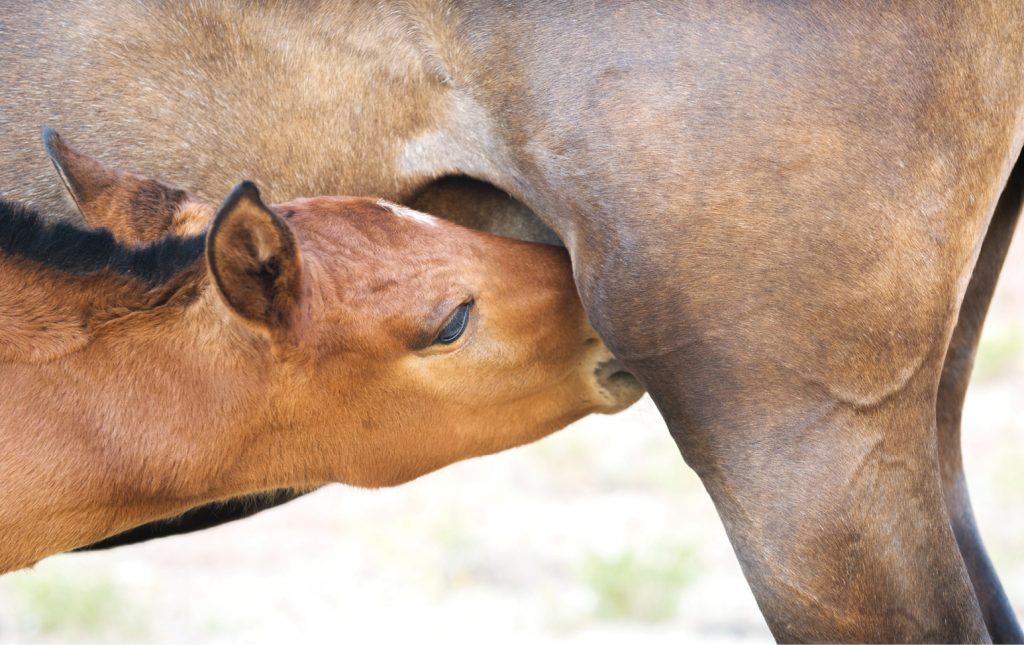
Foals should gain a small amount of weight every day. If your foal isn’t gaining weight or is losing weight, contact your veterinarian right away. Whether the mare isn’t producing enough milk, often observable if a foal actively “bunts” for milk and appears frustrated, or the foal himself doesn’t latch on and drink, time is critical. Young foals get all their nutrition and hydration from their dams, and have very little fat reserves. Involve your veterinarian quickly, because waiting even a matter of days can easily turn into medical emergency for your foal.