



At the 2026 Cinch RSNC San Antonio Super Sort, Allison Escobar, 16, competed at her first-ever Cinch RSNC ranch sorting—despite being legally blind.
Escobar’s cheering section was a little louder than most. From outside the pen, a familiar voice called out directions as the teen from Corpus Christ, Texas, worked her way through the cattle, helping her find the numbers she couldn’t see until she was nearly on top of them.
Born with albinism—a genetic condition that affects pigmentation in the skin, hair and eyes—Escobar is also legally blind, which creates an obvious challenge in ranch sorting, where riders have seconds to identify and move specific cows from a herd. But Escobar has been working toward this goal for a long time.
From Therapy Horse to Show Pen
When Escobar was 6, her parents enrolled her in a therapeutic riding program. Her grandfather and great-grandfather had both owned horses, and Escobar quickly discovered that she had inherited their interest.
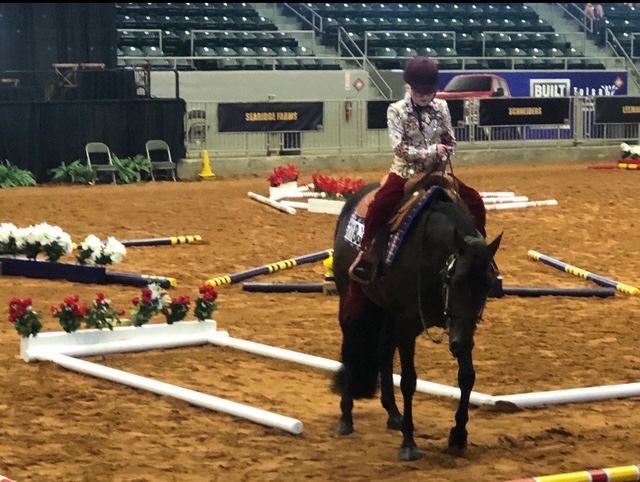
What started with hand-led, walk-trot lessons grew into regular riding lessons and, eventually, the show pen. Escobar competed in Western pleasure, trail, horsemanship and showmanship before moving into events sanctioned by the National Snaffle Bit Association.
In 2019, she competed at the NSBA World Championship Show through the Youth Equestrian Development Association in a class for riders with disabilities. Riding one of her instructor’s lesson horses, she relied on the trail and showmanship patterns she had learned.
Looking for Something Faster
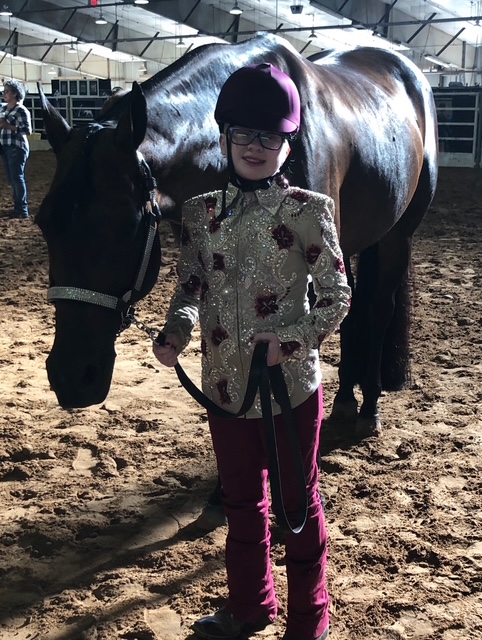
Escobar and her family eventually bought a Western performance horse of their own and continued showing in pleasure events. As she entered her early teens, however, the pattern classes started to feel repetitive.
“It was very repetitive, and I just wanted to do more,” she said.
That opportunity came when Escobar moved to Happy Horse Ranch in Corpus Christi, Texas, operated by Hale. Hale grew up on a ranch in Idaho and spent years competing in cutting before making the switch to ranch sorting.
Escobar began casually riding at the barn until Hale suggested she try sorting on her performance mare.
She was willing to give it a shot, and her mare was willing to try, too. But Hale quickly realized that willingness alone was not enough to make the horse a sorting partner.
Finding the Right Horse
Escobar wanted to make her mare into a sorting horse, but Hale knew the horse wasn’t built for the job.
“It’d be like me trying to tell you I’m going to make a chihuahua a hunting dog,” Hale said.
Instead, Hale put Escobar on one of the barn’s more experienced cow horses. The difference was immediate. Rather than having to constantly manage the horse, Escobar could begin learning how to manage the sort.
That lesson eventually led her to “Millie,” a 2017 mare who had already won money for Hale before Escobar took over the reins. Giving Escobar an experienced sorting horse was intentional. Hale wanted her to have a partner who already understood the job so she could spend less time managing the horse and more time developing her own skills.
“This horse seems to know that she has the vision impairment, she really takes care of Allison,” Hale said.
That trust has become one of the most important parts of the partnership. Millie knows the job, and Escobar has learned how to communicate with her without relying on the same visual cues as other riders.
“I can just point my hands, and she’ll go that way,” Escobar said.
Learning to Sort by Sound
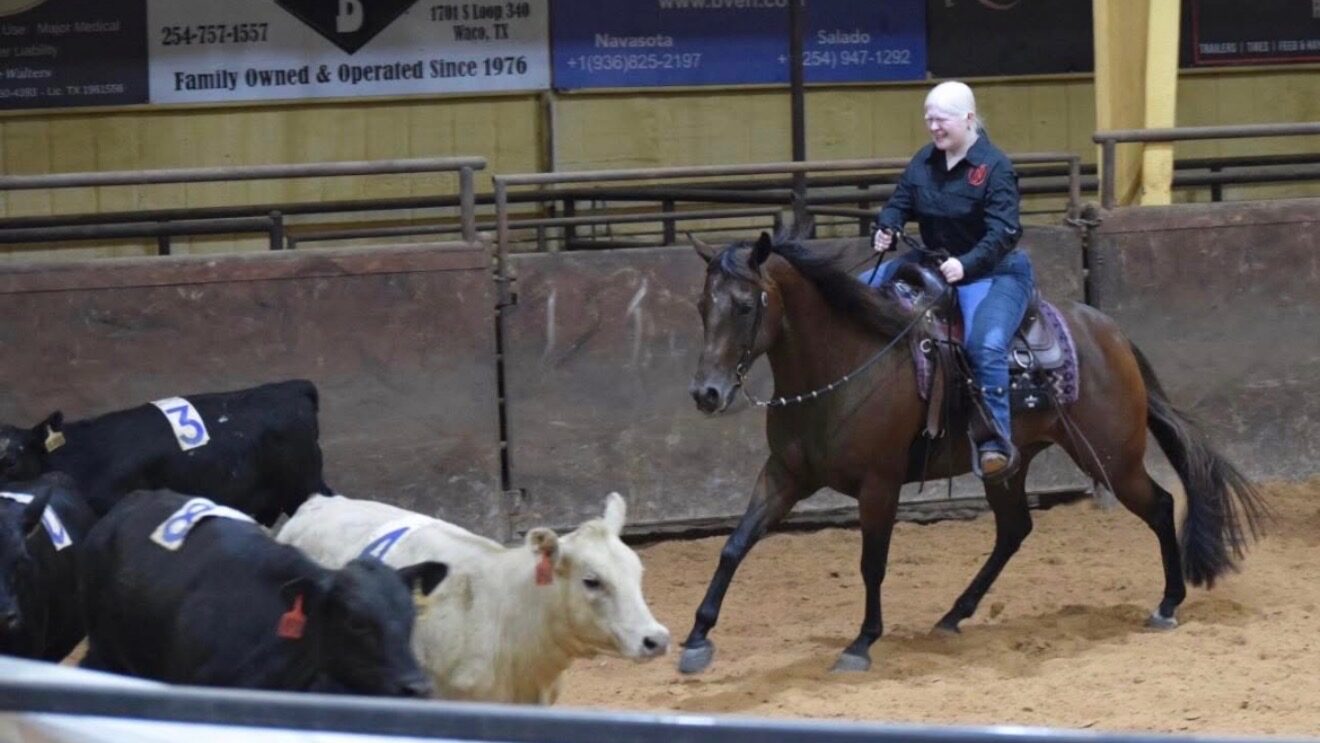
Because she cannot always distinguish a number until a cow is close, Escobar and Hale developed the calling system they now use in lessons and competition. A helper riding alongside her, or someone outside the pen, gives her the cow’s position and helps her get within range. Once Escobar can see the number, she takes over.
“We figured that either the person I was riding with or someone on the outside could call out the position of the cows,” Escobar explained. “It worked the best for me until I could see the numbers on their backs. Since then, we’ve just been doing that.”
The system has become second nature, but it requires trust and concentration, particularly in a busy sorting pen or when other elements, like lighting, interfere. In covered arenas, light coming through open sides can create harsh shadows across the pen, and cattle can disappear into the contrast between dirt and shade. Sometimes, even with someone calling out directions, Escobar simply cannot pick out the cow she is looking for.
To San Antonio and Beyond
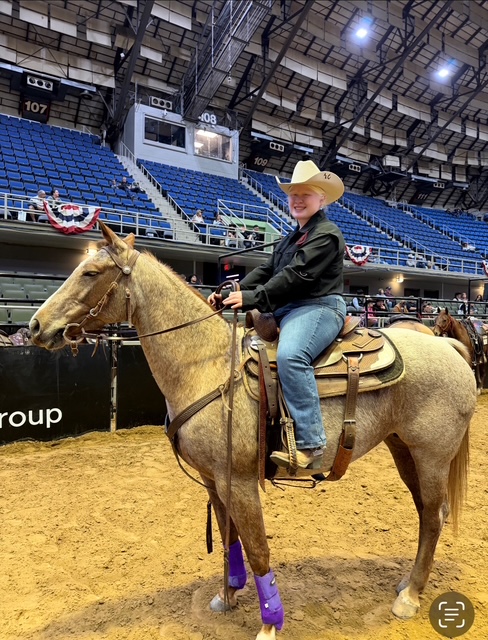
San Antonio provided a real test of that system. The competition was fast, the cattle were moving and Escobar had to rely on her team without letting the noise of the pen overwhelm her.
“I just choose one person [whose voice] I really know and I just listen to them because it’s a lot when a lot of people start calling out,” she said.
By the event’s end, Escobar earned two top-30 finishes in the Mil-Spec Liners #6/4 INC. For her trainer, Nikki Hale, the results were another sign that the adaptations they had built into Escobar’s riding were working.
“It made my heart so full,” Hale said. “She has a really great attitude. She comes, she practices, she asks questions… she’s a really good kid.”
For Escobar, the San Antonio results were more than just a good day in the pen. They were another step in finding her place in a sport that has given her a new challenge, a community and a reason to keep pushing herself.