

For many non-pros, showing without a full-time trainer isn’t just a way to save money, it’s a commitment to doing things their own way. The do-it-yourself rider wears every hat: trainer, groom, hauler, planner, and cheerleader. Between long workdays, late nights at the barn, and weekends spent hauling to shows, they balance career, family and horse life, all while chasing goals in the show pen.
Across disciplines, from Western all-around to ranch versatility and reined cow horse, these competitors may ride in different arenas, but they share the same story—what it really takes to make the DIY lifestyle work.
Rider #1: Nicole Barnes
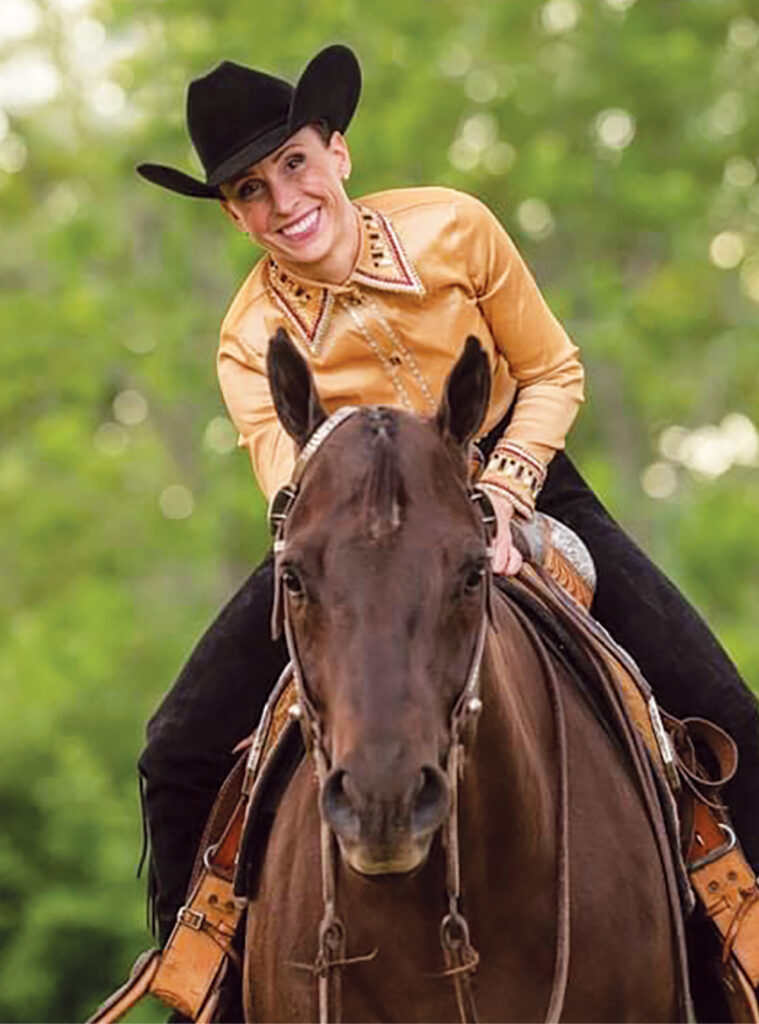
When Nicole Barnes’ longtime trainer accepted a new coaching position, she realized it was time to take the reins herself.
“I’d shown under the guidance of Brad Kearns since I was a youth,” she says. “When he took a college coaching position at Southern Methodist University in 2021, I had to decide whether to find another trainer or learn to manage on my own. That’s when I became a DIY rider.”
Barnes competes in Western all-around events and typically attends eight to 10 shows a year, varying from weekend horse shows to week-long circuits. Her horses are usually green and just starting their show careers, which makes at-home consistency essential.
“Some are low maintenance, and some need outside help,” she explains. “I’ll haul in for lessons when needed or ride with friends for a fresh perspective. For the most part, repetition at home is what builds the foundation.”
Her approach to DIY showing can be summed up in three principles: plan, track, and travel smart.
“I try to plan my show schedule early in the year,” she says. “Before entering, I’ll review the showbill, see what classes are offered, how many times they run, and what the facility is like. I want the most bang for my buck.”
For Barnes, budgeting is also an extremely important part of being successful as a DIY rider.
“No one enjoys tracking expenses but knowing when the ramen-noodle months are coming makes life easier,” she jokes. “And travel smart. Split tack stalls, use hotel-rewards points, and take advantage of fuel-app discounts.”
Barnes admits that balancing work and horses is her biggest hurdle. “Time, commitment, and knowing when to ask for help has to be the hardest part,” she says. “I work full-time, so some days I only have 20 minutes to ride. That’s when I’ll work on showmanship pivots or horsemanship turns. Every little bit counts.”
She’s learned that doing it yourself doesn’t mean doing it alone. “Sometimes you hit a roadblock and need a fresh set of eyes,” she says. “Even trainers ask for help.”
Her advice for newcomers is to be realistic and be smart.
“Assess your horse and yourself honestly,” she says. “If he’s not soft in his neck or moving off your leg, it’s not time to work on lead changes. And if you’ve never taught one before, budget for haul-in lessons or a short stay in training. There’s no shame in that.”
Barnes laughs when she describes the emotional roller coaster of doing it yourself.
“You’ll question yourself, probably cry on the barn floor at some point, and think about quitting,” she says. “But if you stick with it, the DIY life is incredibly rewarding. What you put in is exactly what you get out.”
Rider #2: Mackenzie Fugitt
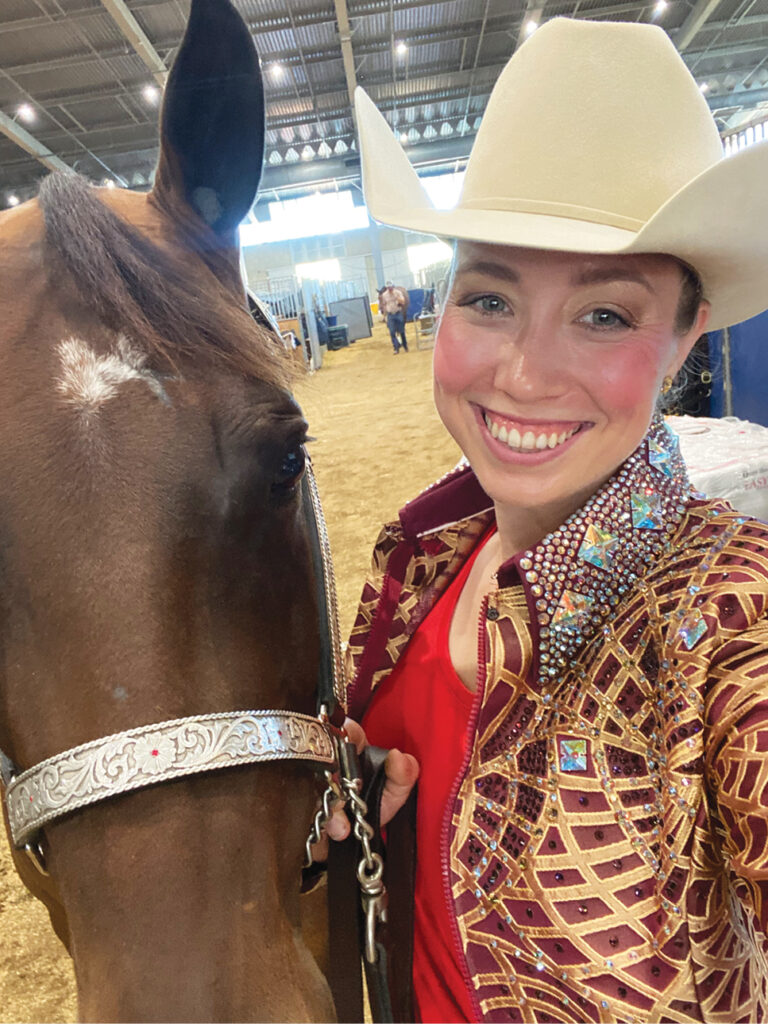
For Mackenzie Fugitt, being a DIY rider began as a practical decision but soon became a point of pride. With years of experience in the show pen and a solid foundation from her youth career, she now takes the lead in managing every detail of her program.
“During my youth career, I competed in the all-around events like showmanship, horsemanship, trail, Western riding, and hunt-seat equitation,” she says. “Now, as an amateur, I purchased a 3-year-old horse and have been focusing on ranch classes.”
Fugitt spent her youth career under trainer Stacey Roberson and later rode for Oklahoma State University’s National Collegiate Equestrian Association equestrian team. That foundation gave her the confidence she needed to go out on her own.
“I went DIY because of limited funds,” she says, “but also because I knew I had the skills necessary to keep improving.”
Her preparation is a blend of discipline and creativity.
“I’ll pull patterns from different horse shows and set them up at home to test how my horse and I communicate,” she says. “I watch winning runs from events like the All American Quarter Horse Congress and AQHA World Show online, and I rely on content like Ride TV’s videos—especially Bud Lyon’s—to study what judges expect. I film myself a lot, too. Seeing it from the outside gives a totally different perspective. And then, of course, I talk with other DIY friends I’ve made over the last couple of years.”
Fugitt’s show calendar depends on two things, her yearly horse-show budget and work paid time off.
“I’ll hit some Missouri AQHA shows, National Snaffle Bit Association shows, or attend local open shows, all depending on cost and time,” she explains. “I look at the price of entries, the benefits, and the atmosphere.”
She also plans her show schedule with other DIY riders who might be attending those shows to see if there’s
a way to split tack rooms, hotel rooms, or even travel expenses.
Another budget hack Fugitt does involves shopping secondhand for both her tack and her show outfits.
“You don’t have to buy new or custom to compete,” she says. “I’m a big thrifter. I’ve shown in outfits I bought secondhand. I believe in a well-shaped hat, fitted shirt, and fitted chaps. Those are the things that matter and the things I would spend my money on. You can also buy a really nice used saddle—and it doesn’t need to have a bunch of silver on it. It just needs to
be taken care of and clean.”
When it comes to getting show-ready, Fugitt keeps things simple.
“After hauling giant tack boxes around as a youth, I’ve learned that less is more,” she says. “Now I stick to a stall-front organizer and a Milwaukee toolbox. Less clutter, and a lot less stress.”
Above all, Fugitt values learning and joy.
“There’s nothing wrong with over-preparing,” she says. “Watch the warm-up pen; you can learn so much. And remember, this is supposed to be fun. If a class looks too tough or your horse needs a break, skip it. There’s always going to be another one.”
Rider #3: Kate Bradley Byars
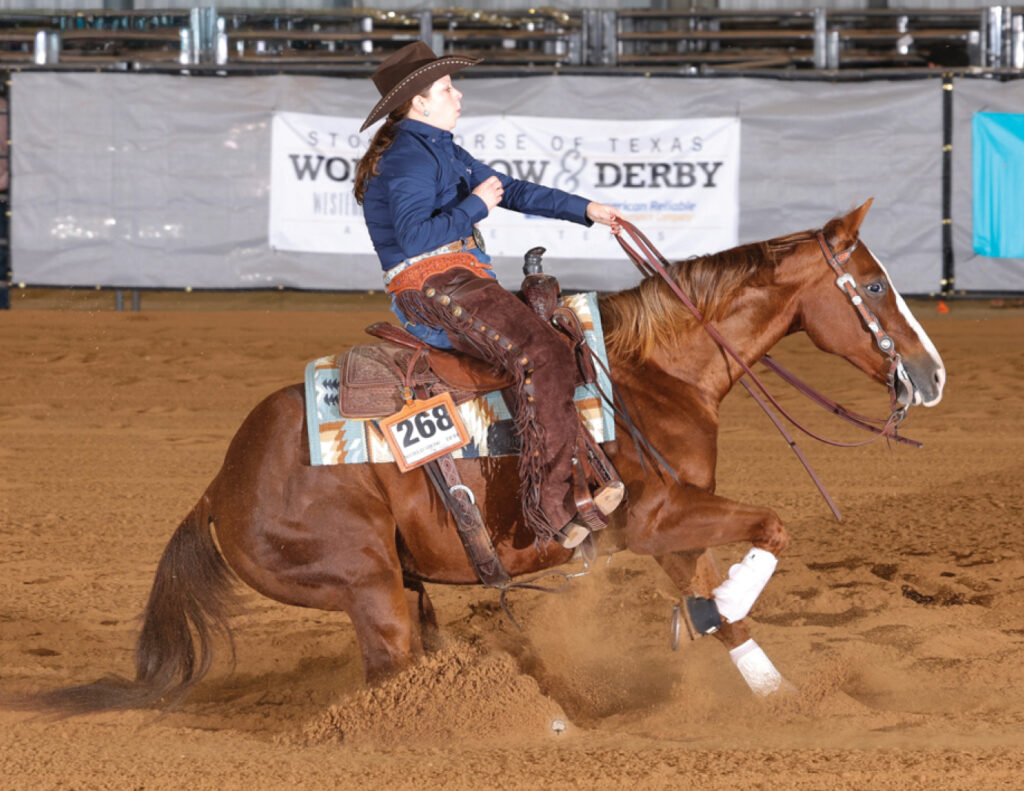
Like many DIY riders, Kate Bradley Byars balances a busy career with her passion for showing—but she’s found a unique way to make the two worlds work together. A journalist and photographer, she’s turned professional connections into creative opportunities to offset costs and stay active in the show pen.
“I’ve done social-media work for Stock Horse of Texas for a few years, and they cover my RV spot at shows,” she explains. “That helps a lot. Before big events like the Versatility Ranch Horse World Show and AQHA World Show, I swapped marketing work for training help from Bud Lyon. I also trade content for cow horse lessons with Shannon Pigott. It’s all about leveraging relationships.”
Budget is always top of mind, which is why Byars plans her show season strategically. She typically competes in SHTX and AQHA Versatility Ranch Horse events.
“SHTX shows are smart because they include AQHA-approved ranch riding and ranch trail at some of their shows, so I can potentially qualify for the AQHA World Show in those two events,” she shares. It makes qualifying for different associations’ world shows that much easier because I don’t have to travel to as many shows.”
Keeping her show horses at home gives Byars flexibility but brings its own set of challenges.
“I have a small sand pad that isn’t weatherproof, so if it rains or if it’s too cold, it can be challenging to ride or work my horse regularly,” she says. “After so many years of keeping horses at home, but hauling to trainers’ houses for lessons, I’m able to figure out how to fit a lesson in during the work week. But I can see that being a challenge for people who work a regular work schedule and can only fit lessons in on the weekend.”
Her DIY approach relies on efficiency and community.
“My friends and I share tack stalls at shows. We also like to coordinate group cow work lessons with Shannon Pigott because they’re less expensive than one-on-one lessons. We park our living quarters trailers next to each other at shows and cook together instead of eating out—it saves money and builds friendships,” she says. “Those relationships are what make showing fun.”
Byars’ biggest takeaway from years of DIY showing is to ask for help when you need it.
“I used to be hesitant to ask trainers questions,” she admits. “Then one day a trainer asked me if I needed help, and I realized most are happy to offer advice. If you admire someone’s program, talk to them. Build that connection.”
For newcomers, she suggests starting small and learning as you go.
“Many associations host a clinic Friday and a show Saturday—that’s how SHTX started,” she says. “You can learn from the clinician, who’s often the judge, and then immediately apply it. It allows people to learn and then be part of the competitive atmosphere.”
Rider #4: Kimberlee Gabel
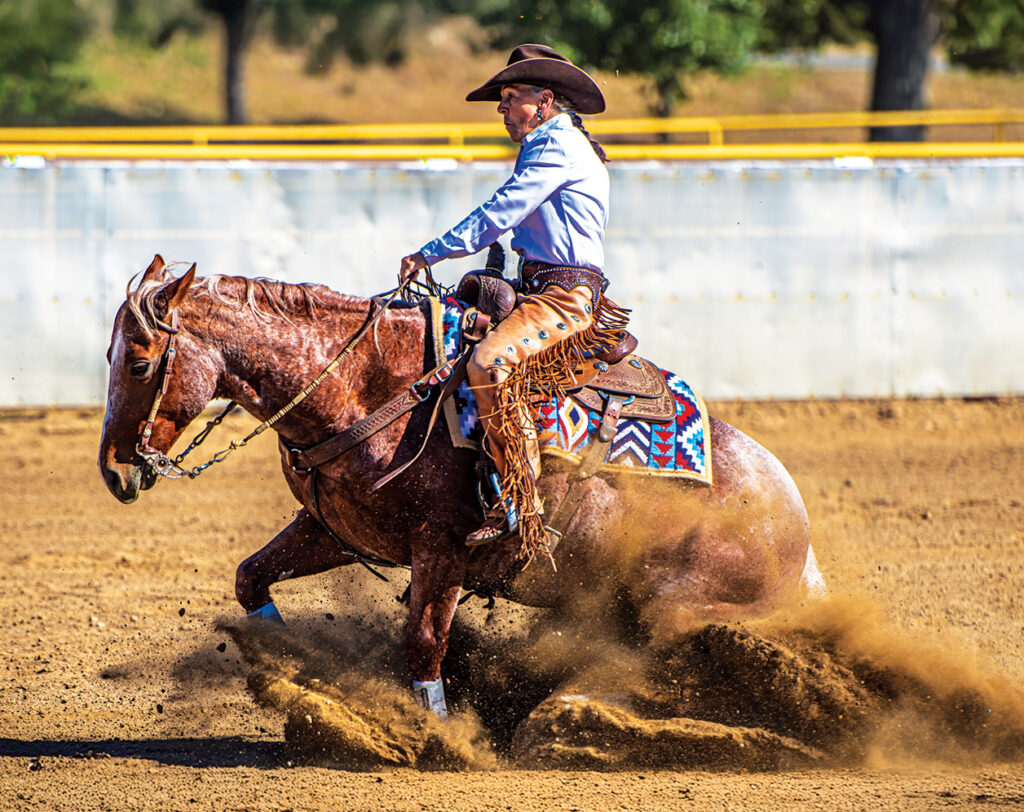
Kimberlee Gabel’s DIY journey began with mentorship—and grew into self-reliance. She competes in both AQHA and National Reined Cow Horse Association events, showing eight to ten times a year.
“When I decided to get into cow horse, I took lessons with Darren Miller,” she says. “He focused on developing my skills alongside my horses. Eventually, we started to discuss my goals, and he understood this journey is as much about growing me as it was about my horses. It was then that I realized I needed to take ownership of my progress, without relying totally on outside coaching and do
it myself.”
At the start of each season, Gabel outlines clear goals.
“Once I know what my goals are, I choose shows that will help me qualify for those specific goals, like qualifying for a world show,” she says. “Travel costs, entries, and payouts factor in, too.”
Her husband is her biggest supporter—and an extra set of eyes she trusts in and out of the show pen.
“I’m so blessed that my husband is very invested in my success,” she says. “If something doesn’t feel right, he can usually see why.”
Together, they review rides, discuss strategy, and look for ways to fine-tune her performance. Beyond her home base, Gabel leans on a tight-knit group of friends who share her DIY mindset.
“I ride with close friends several times a month,” she says. “We video each other and break things down afterward. We also use online training platforms to find new drills or exercises to keep our horses fresh and our riding sharp.”
Because she competes in cattle events, Gabel also keeps practice practical.
“We buy fresh grass cattle in late winter and then generally keep them through late summer,” she explains. “It can be tricky keeping them fresh, but we have a pretty good system of practicing and then put them back out on grass to freshen up.”
Her best advice centers on purpose and partnership.
“Know what you want to accomplish, and work at it systematically,” she says. “Without goals, it’s easy to get lost in the chaos. Find a trusted coach and a show buddy. You can share travel and lodging costs and hold each other accountable.”
The toughest part for Gabel isn’t logistics, it’s mindset.
“At big events, it’s easy to look around at non pros getting tuned by their trainers and feel unprepared,” she admits. “But as Sandy Collier said in the movie Down the Fence, ‘This sport is a journey. You never arrive, but you do have to start somewhere.’”
Doing It Yourself, Together
Across disciplines, these four riders show that doing it yourself doesn’t mean doing it alone. Each takes ownership of their own program—budgeting, scheduling, and setting goals—while finding support in shared stalls, swapped lessons, and the occasional post-class pep talk.
Being a DIY rider isn’t about going without help; it’s about managing your own program with intention. It’s learning when to lean on others, when to push through, and how to keep moving forward even when time and money are tight.
In the end, DIY is less about doing it yourself and more about owning every part of the process.
—H&R—
Doing it DIY? Ride TV’s Horse&Rider OnDemand video series offer step-by-step guidance from top trainers. Whether you’re aiming to polish your ranch riding, master a reining pattern, or level up your futurity prep, there’s a playlist that fits your goals.