



Don’t wait until cold weather arrives to think about body condition. A hands-on assessment this fall can help you adjust your horse’s nutrition, exercise, and care before winter sets in.
With cold weather on the horizon, your horse’s body condition is a major determining factor in how he’ll handle the winter conditions. Fall is the perfect time to get a handle on his bodyweight to ensure that he’s ready, no matter his age, but especially if he’s a senior.
If he’s overweight or on the thinner side, you’ll want to start to work on his diet, exercise, and care before snow, ice, and cold temperatures hit your barn.
Here we’ll discuss the Henneke Body Scoring System, the role your horse’s age plays, and ways you can prepare now before the first freeze or snow.
Henneke Body Scoring System
Developed in 1983 by Don Henneke, PhD, the scale aims to universalize body condition, rather than using subjective terms such as skinny or fat. It considers six areas of the horse’s body: neck, withers, shoulders, ribs, loin, and tailhead.
Each of these areas is evaluated on a scale from 1 to 9 based on the amount of fat you can see or feel. Add up those six scores and divide by six for your horse’s overall body condition score.
While a 5 or 6 score is ideal, the point is to objectively evaluate your horse’s condition. A broodmare might have a slightly higher score, for example.
Ways to Improve the Score
Especially going into winter, your goal should be to get your horse’s score as close to a 5—or a 6 if he’s a hard keeper in the cold—as makes sense for him. This can involve the following considerations.
Caloric adjustments. If your horse needs to lower his score to get closer to a 5, reduce intake, especially in terms of grain and other extras. If he’s lower than you’d like going into winter, increase his roughage intake.
Establish good hydration. Pay close attention to your horse’s water intake year-round and especially going into winter. Establish an electrolyte program or add flavoring such as apple juice to his water if he needs to drink more. During winter, ensure that the water source isn’t frozen, and if possible, use a heater to keep the water at a desirable temperature (45 to 46 degrees Fahrenheit).
Increase movement. Whether it’s a traditional training program or simple turnout, movement is key for horses of all ages, especially when trying to improve their condition. Additionally, freedom of movement in the cold increases circulation, which elevates body temperature.
The Senior Factor
Treasures that senior horses are, they require some TLC when it comes to thriving in the winter. Aging effects digestive efficiency, temperature regulation, and dental health, just to name a few concerns.
They also can have age-related diseases that make wintering well a challenge. Getting your aging horse to a healthy condition score this fall can make cold weather much easier on him. Here are a few items to consider.
A less-efficient hindgut means your senior horse doesn’t absorb nutrients from forage as well. Work with your veterinarian or an equine nutritionist to take a close look at his diet and what’s missing to keep the pounds on in the snow.
Poor thermoregulation allows your senior to get colder, faster, especially when standing in sleet, snow, and cold wind. Be sure his shelter is safe to protect him from the elements, and blanketing may be necessary.
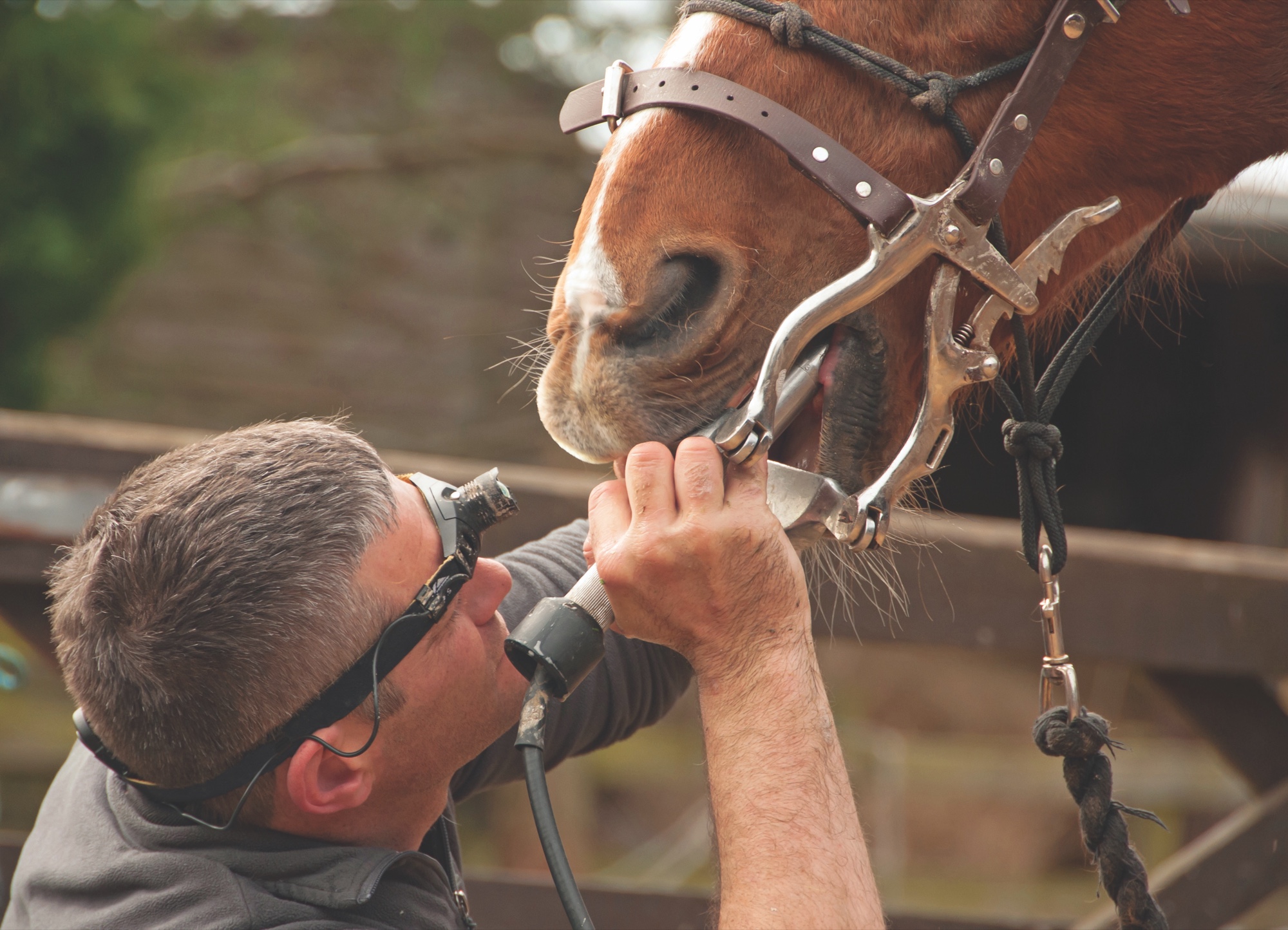
Your senior horse’s teeth aren’t what they used to be. He can experience uneven wear, sharp edges, and tooth loss that can hinder his ability to chew, even making it painful. Ensure that his teeth are in good shape going into winter and make special accommodations for him such as feeding soaked hay cubes, providing beet pulp, and/or a feed formulated for your aging horse.
Finally, don’t let the winter coat he’s developing this fall fool you. He might look fine but get your hands on him to feel for his withers, ribs, and hips to detect weight issues early.
General Care to Prepare
Keeping up general good horsekeeping habits is essential so you don’t have a short time frame to resolve potential issues.
Stay on top of hoof care, because ice and snow in the winter can be hard on your horse’s feet. Maintain dental care, especially for horses with known issues so they don’t lose weight due to poor chewing. If you blanket your horse, check that it’s clean and that any damage from last year is repaired, if necessary.
When general good maintenance occurs, fewer problems can pop up when you least expect them.