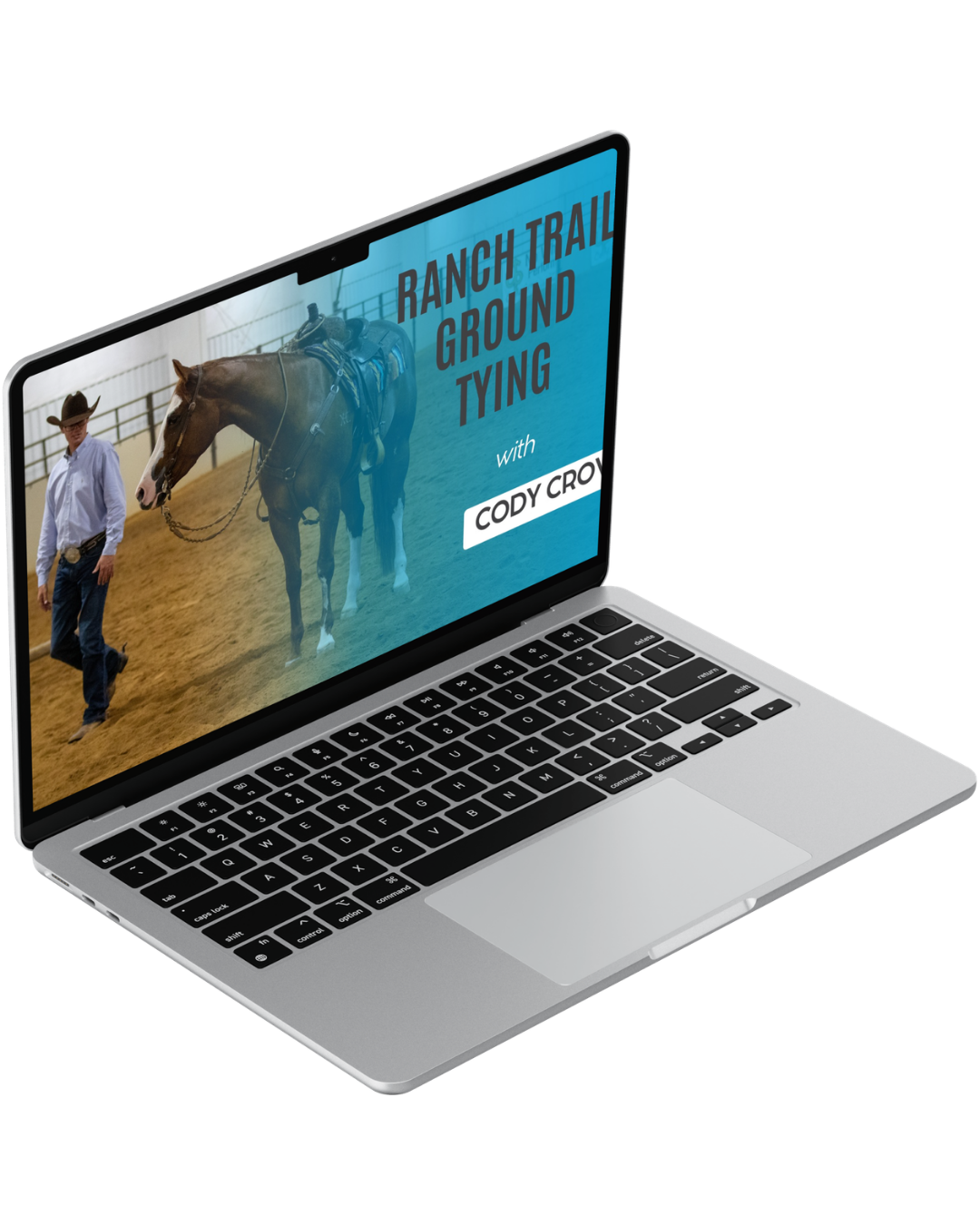



Ground tying is a common obstacle in ranch trail classes, and some associations require it. The concept is simple. You drop the lead or reins, walk away and your horse stays put. Getting there takes training, though.
Trainer Cody Crow works with a horse that has never been asked to ground tie and walks through his training process.
Watch the full ground-tying video lesson on Ride TV ➔
1. Set Up a Tired Horse in a Safe Space
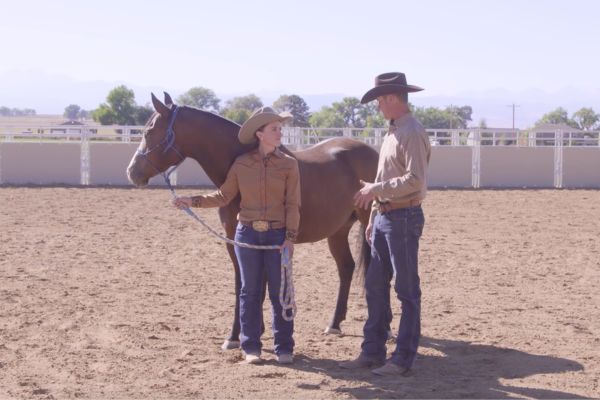
When I start teaching a horse to ground tie, I use just a halter and lead rope, with no saddle. That helps reduce the chance of him getting in a bind if he runs off. Make sure you’re working in a contained area.
Trainer tip: It’s often best to work on this drill after a ride, when your horse has worked off some energy. You probably won’t be as successful with a fresh horse who hasn’t been ridden for four days, especially first thing on a cool fall morning. Horse training is all about putting the odds in your favor.
2. Say “Whoa,” Drop the Lead and Break Away
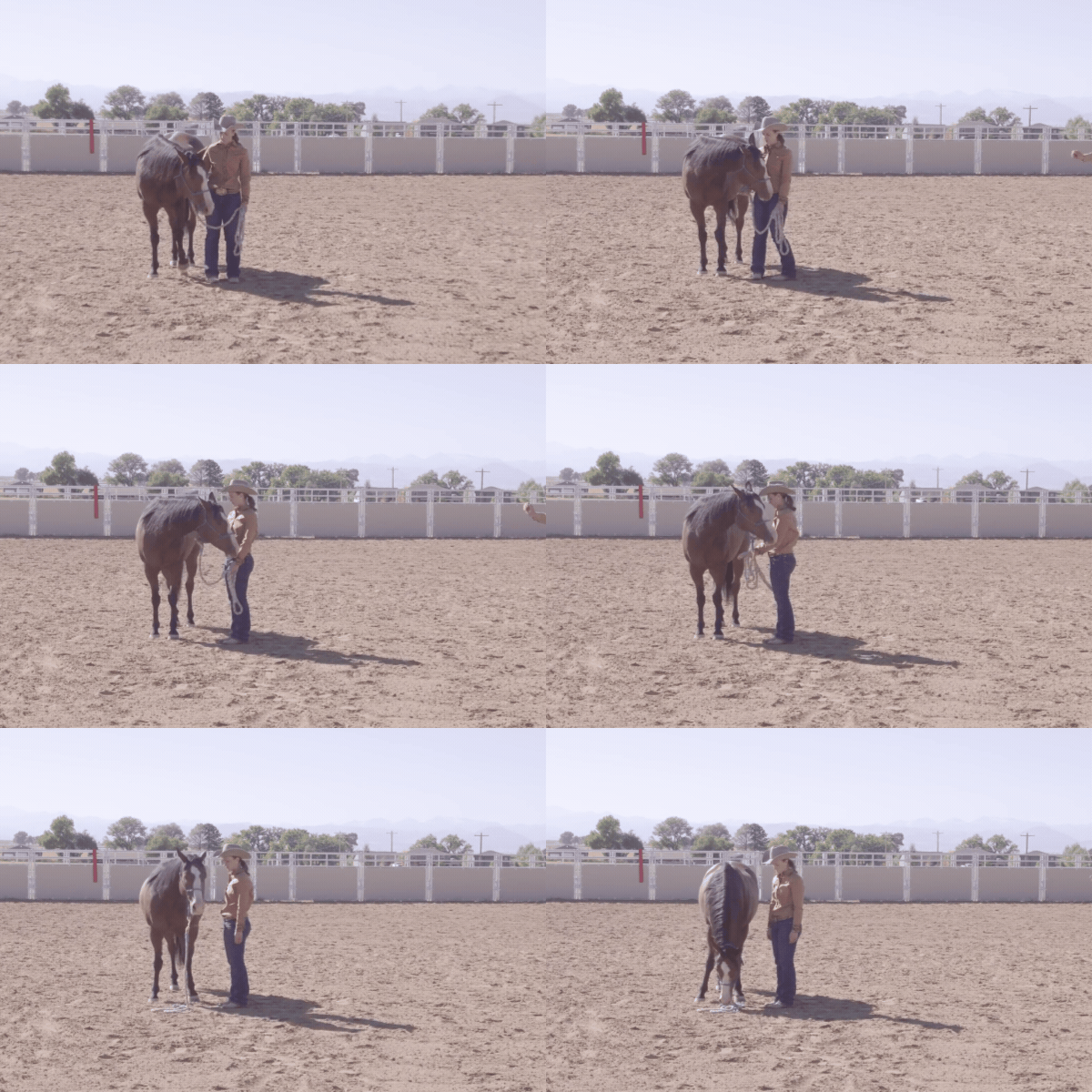
When I’m teaching a horse, I’ll pull on the lead rope and say “whoa.” I’ll step back and face him, then drop the lead rope to the ground and say “whoa” before breaking away. The idea isn’t to scare him; it’s to break that connection with you so he doesn’t follow. Once you’ve said “whoa” and walked away, he needs to stand there until you come back for him.
3. Start Close, Then Widen Your Circle
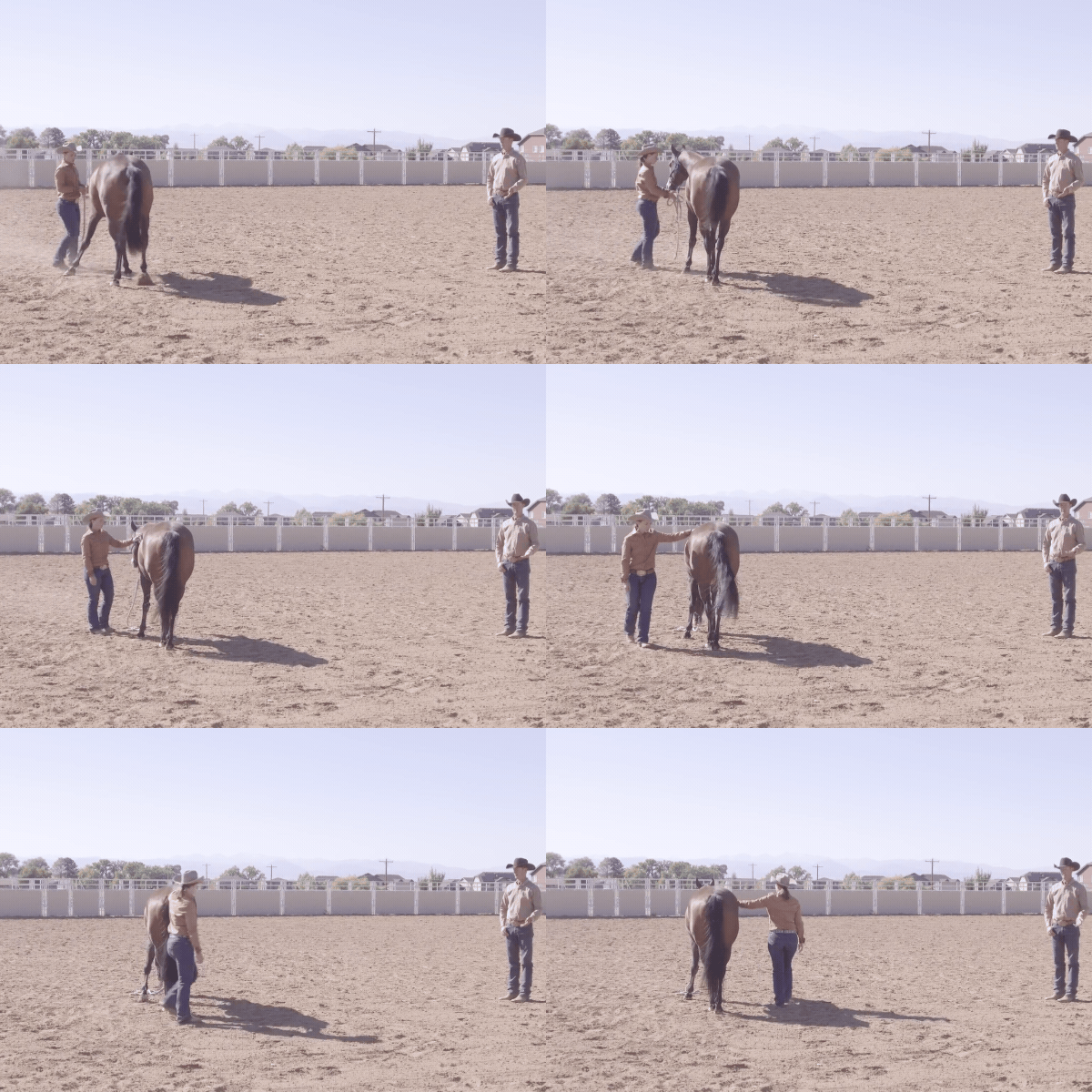
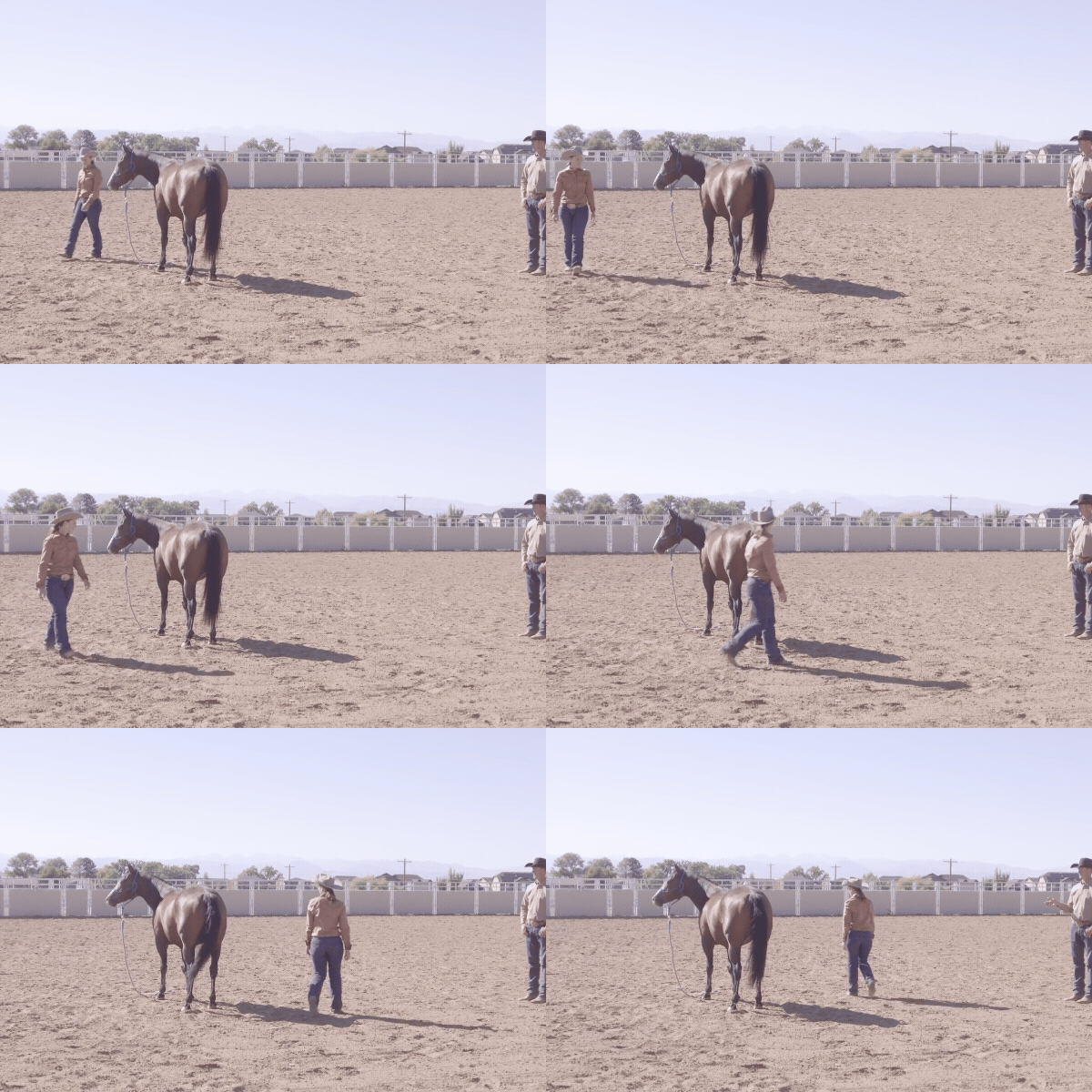
You can’t touch your horse when you’re showing him, but you can when you’re training. To start, I’ll stay close, touch him and begin walking around him.
As he gets a better understanding, I’ll gradually make my circle bigger. Some days, you may only be able to move a short distance away. Some horses ground tie really well. Others are hot and flighty, and it may take much longer to develop that skill.
4. Back Him to the Exact Spot if He Moves
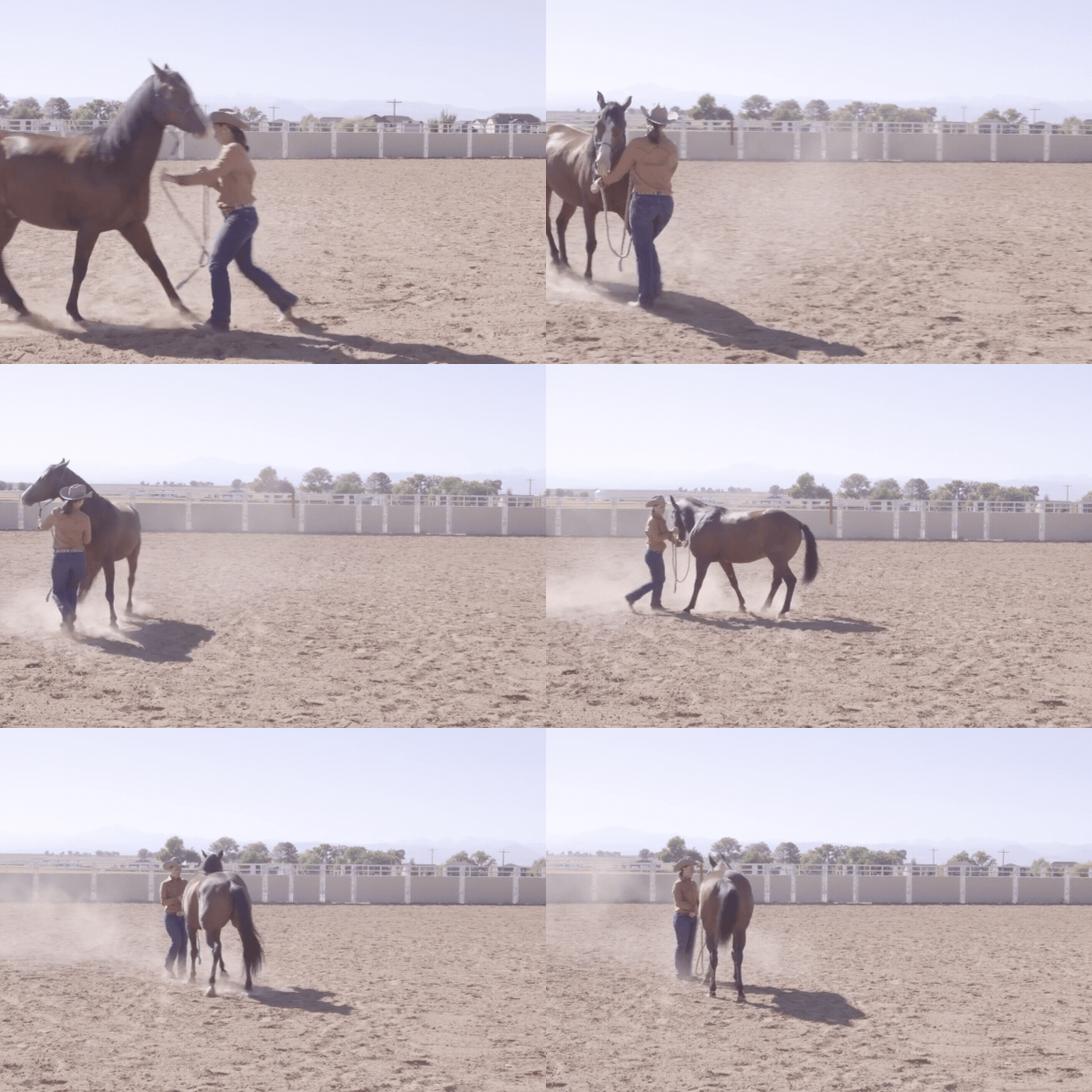
If my horse follows me, I’ll pick up the lead rope and back him in a circle to the same spot where I originally asked him to stop. Even if he’s walked only two or three steps, I back him in a large circle, keeping some tempo and getting his feet moving, before bringing him all the way back to his starting spot. Then I’ll ask him to stand and try the exercise again.
There needs to be a consequence. He can choose option A, which is to stand and ground tie, or option B, which is to get backed around the arena. The goal is for him to learn to choose option A.
Keep repeating the exercise and build on it over time. Some horses will understand quickly; others will need many repetitions.
5. Reward the Stand and Make the Release Clear
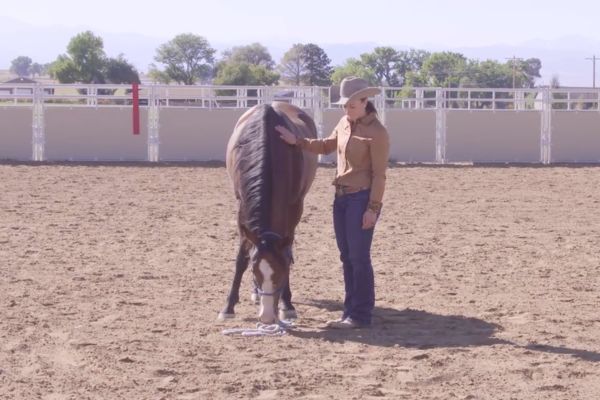
When I return to my horse after he’s stood still, I’ll pet and scratch him. There needs to be a reward for standing there.
When I want him to come with me, I’ll pick up the lead rope, give a loud verbal cluck and then pull on the rope. I want to make it obvious that I’m now inviting him to come along. He needs to know the difference between being asked to stay and being asked to go.
It’s not about getting it perfect on day one. It’s about building on these steps and making him a little better today than he was yesterday.