



Whether you’re showing at local buckle series, regional affiliate events, or major national competitions, the right horse show level isn’t about the biggest stage—it’s about finding the best fit for your goals, budget, horse, and lifestyle.
In the horse-show world, it’s easy to feel like success means constantly moving up: tougher classes, bigger events, and higher-profile competitions. But after talking with riders who compete everywhere from local open shows to some of the largest events in the country, one message stood out: the “right” level of competition looks different for everyone.
For some, fulfillment comes from staying close to home and enjoying weekends with friends. Others are driven by the challenge of competing on the sport’s biggest stages. Most fall somewhere in between. The key isn’t choosing the biggest horse show on the calendar—it’s finding the level that keeps you challenged, fits your life, and makes you excited to keep coming back to the show pen.
Start by Defining What Success Looks Like to You
Before deciding whether to stay local or start hauling to bigger events, take a step back and ask yourself one simple question: Why do I want to compete?
The answer is different for every rider. Some are chasing year-end championships or a spot in a major event final. Others simply want a reason to keep improving, spend time with their horse, or enjoy a weekend at the show with friends. None of those goals are more valid than another but knowing what motivates you can make it much easier to choose the right competition level.
It’s also important to remember that “local” looks different depending on where you live. In some parts of the country, local affiliate shows can draw deep, highly competitive classes. In others, riders may travel farther to find regular opportunities to compete.
Bigger Doesn’t Always Mean Better
It’s easy to assume that progressing in horse showing means continually moving up to bigger events. But for many riders, the most rewarding competition isn’t necessarily the largest show on the calendar—it’s the one that leaves them excited to enter the show pen again and again.
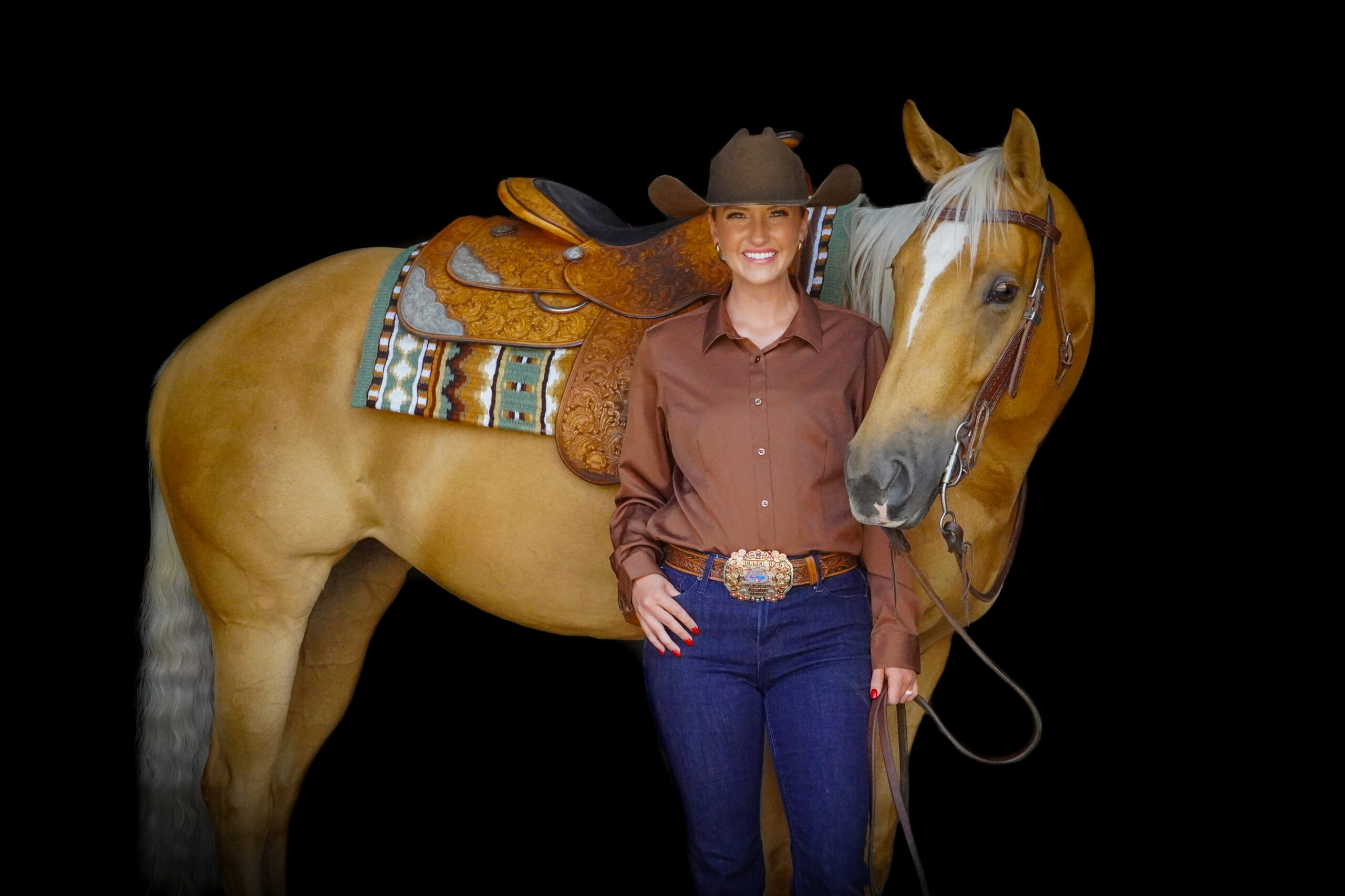
For Angie Cromwell, that realization came after years of competing in jumping. As a junior rider, she traveled extensively, competing in the junior hunters, equitation, and junior jumpers. But after college, balancing a full-time career and the financial realities of adulthood meant reevaluating what horse showing could realistically look like.
Instead of trying to recreate her junior career, Cromwell took a different path. She purchased a 2-year-old Quarter Horse mare, started her herself, and eventually transitioned into competing at local buckle series and open shows. Along the way, she discovered something she hadn’t expected.
“What I enjoy most about competing at this level is that it has allowed me to fall in love with showing again,” Cromwell says. “There’s less pressure, less politics, and more focus on enjoying the horse.”
Today, she competes about once a month, all within an hour of home. For Cromwell, competing closer to home isn’t about lowering expectations—it’s about creating a version of horse showing that’s sustainable.
“There isn’t only one way to be successful in the horse industry,” she says. “You don’t have to own a half-million-dollar horse or spend thousands of dollars a week showing to find fulfillment. There are many different paths in this sport, and all of them can be rewarding.”
Kirsten Ziegler came to a similar conclusion—but from a different direction.
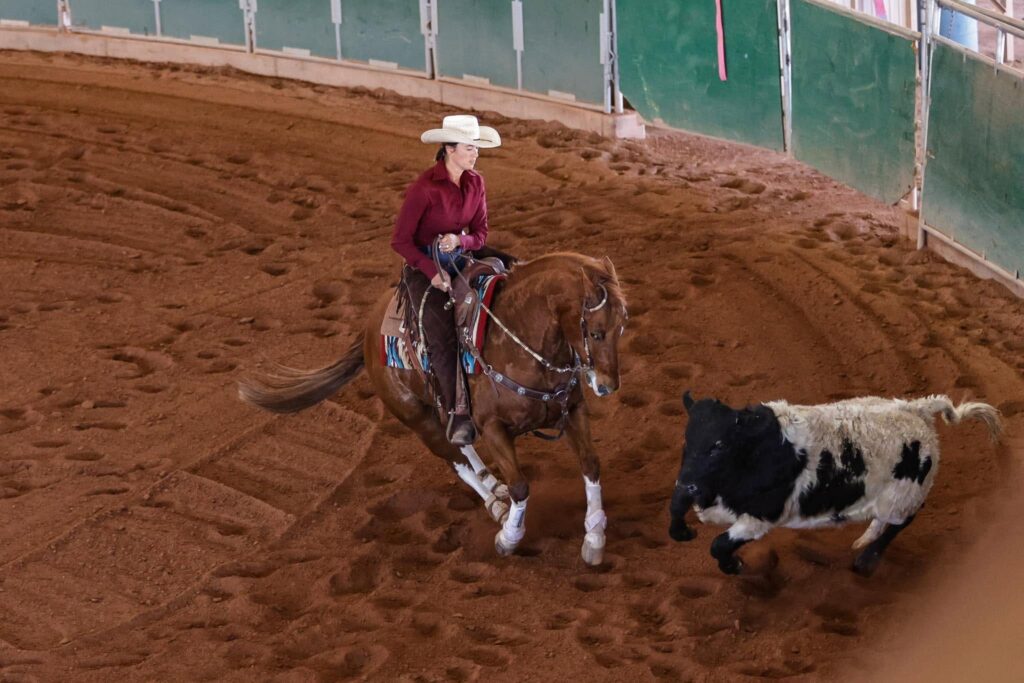
She primarily competes at regional NRHA and NRCHA affiliate shows, entering rookie, limited non pro, and non pro classes throughout the season while making one trip to a major event each year. Like many competitors, she wanted to see how she and her horse measured up on one of the sport’s biggest stages.
“I went to a major event knowing my horse and I were capable of being competitive,” Ziegler says. “But all the outside stressors made me get too in my head about it, and I fell short of the personal goal I had set for myself, which took away from the experience.”
The experience prompted her to reevaluate what she wanted horse showing to look like. While she still enjoys setting goals and traveling to a larger event each season, she realized she didn’t need to chase bigger shows to feel fulfilled.
“My personal goals tend to shift year to year, and I always try to have something to look forward to or work toward, even if it’s small,” she says. “The biggest influence is that I just want to have fun and enjoy my horse.”
That mindset has also changed the way she approaches her show schedule.
“A new thing I’m trying this year is to have horse shows be a part of my life instead of my life revolving around showing,” Ziegler says. “Last year I did nine shows between my two horses, and I was tired. I had no money or time to do anything else in life.”
Don’t Rush the Next Step
Just as bigger doesn’t always mean better, staying comfortable isn’t necessarily the answer either.
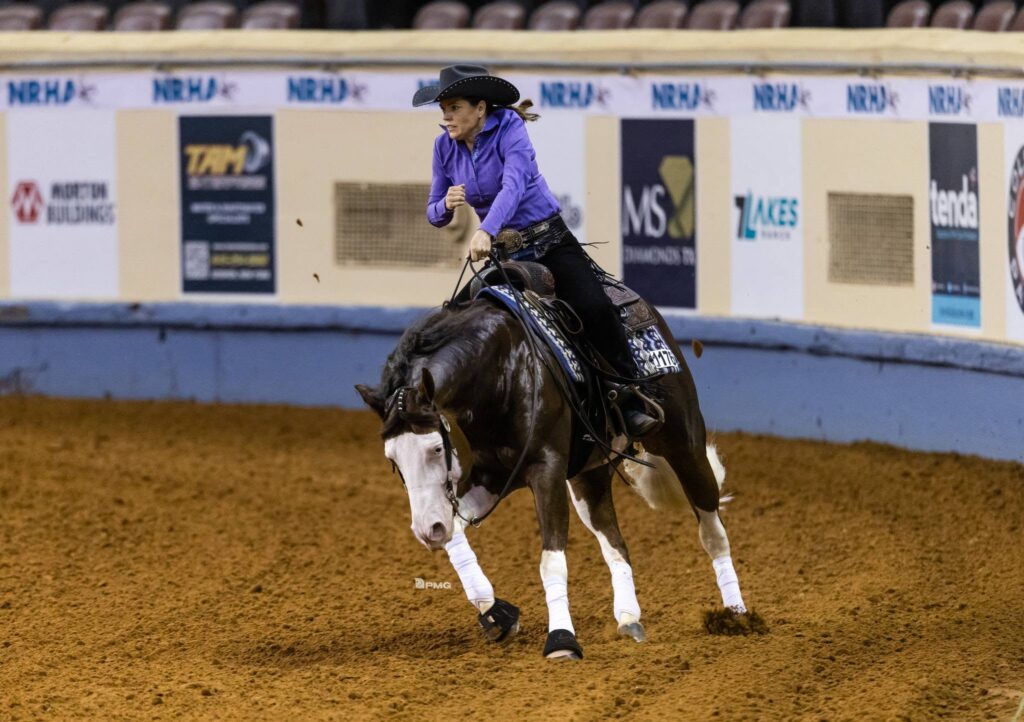
For Jennifer Russo, the reining rookie divisions allowed her to be competitive while learning the sport. After transitioning from a successful hunter/jumper career to reining, she used the introductory classes to build confidence, develop new skills, and learn the nuances of an entirely different discipline.
“Riding in the rookie levels has given me a solid foundation of skills to move to the next level and has also built my confidence due to the success I have had at this level,” Russo says.
Her definition of success has evolved with every horse she’s ridden. Early on, simply marking a 70 felt like an accomplishment. As her scores improved, she focused on adding more difficulty to her runs. Today, with a young horse, she’s concentrating on building the fundamentals that will prepare them for lower-level derby competition.
“My goal is always to do my best and to keep getting better by working hard, staying diligent, and remaining resilient when things get hard,” she says.
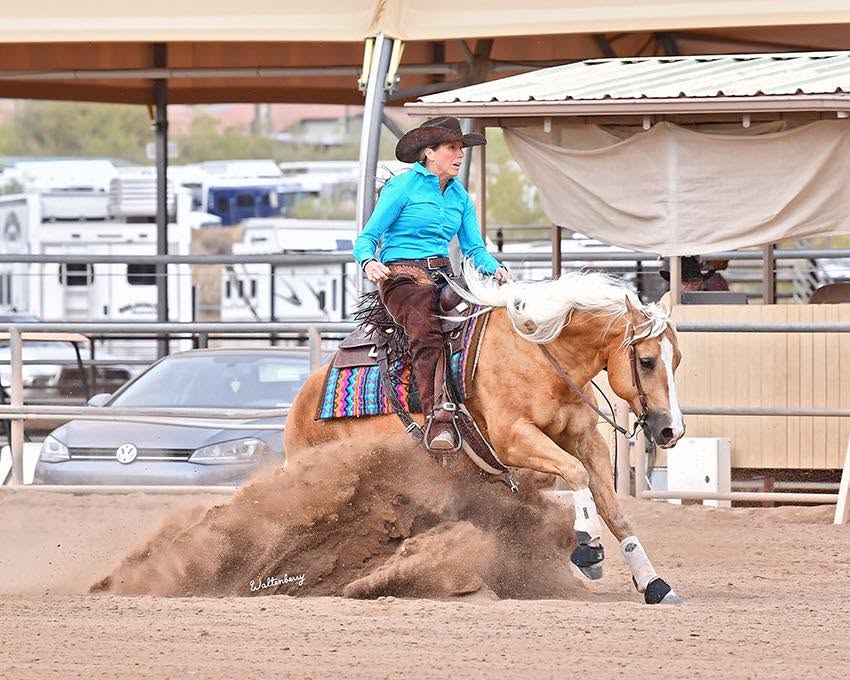
Dana Wetherell’s journey followed a similar progression, although it ultimately led her to the highest levels of non-pro competition. Today, she competes in premier limited-age events and owns horses shown in the level 4 open reining events by professional trainers, but she believes her years in the introductory divisions were critical to her development.
“I started in NRHA at the grassroots level,” Wetherell says. “It was important for me to learn how to show a reiner, and as my talents in the show pen progressed, I upgraded horses as I went.”
Instead of rushing to compete at bigger events, Wetherell focused on mastering each step before taking the next one.
“The level of show you compete in or the division you compete in should leave you challenged,” she says. “It should expose weaknesses you can work on at home and motivate you to come back—not want to quit.”
Redefining Success in the Show Pen
Ask a room full of horse show competitors what success looks like, and chances are you’ll get a different answer from each one. While ribbons and checks are certainly rewarding, every rider we spoke with said their definition of success has evolved over time.
For Kirsten Ziegler, success used to be tied closely to placings. Today, it’s measured by the small wins that happen throughout a run.
“I am a competitive person almost to a fault,” she says. “A successful day to me now is when I don’t lose my cow and when I have penalty-free reining runs. Placing is the cherry on top.”
Angie Cromwell’s perspective shifted as she developed her horse herself. Rather than focusing solely on results, she now sees success in the countless hours of work that happen long before entering the arena.
“Success is taking a horse I started myself and seeing her confidently walk into the show pen,” Cromwell says. “The ribbons are wonderful, but the real reward is seeing the result of all the work that happened long before anyone was watching.”
Jennifer Russo says her definition of success has evolved alongside her horses. While each season has brought new goals, the moments that matter most aren’t always reflected on the scoreboard.
“When the hard work my horse and I have put in pays off—that’s when I feel most fulfilled as a competitor,” she says. “Whether it’s fixing a particular maneuver, exceeding my own high score, or generally moving toward accomplishing my goals.”
Dana Wetherell has also learned to separate success from the final results.
“Winning is an outcome,” she says. “Success is becoming the best version of myself by pursuing excellence.”
Whether success means fixing one maneuver, developing a young horse, earning a year-end buckle, or competing for a major title, it becomes much more meaningful when it’s measured against your own progress instead of someone else’s accomplishments.
Finding Your Place Is Part of the Journey
Choosing the right competition level isn’t a one-time decision. As your horses, goals, finances, and life evolve, the level that feels right for you may evolve, too.
Dana Wetherell believes finding the right competition level doesn’t mean you’ve stopped growing. Instead, each milestone has become a steppingstone toward the next challenge, keeping her motivated to continue learning and improving.
“Every time I hit a goal, it makes me want to make a bigger goal and go after that,” Wetherell says. “I am never satisfied staying stagnant.”
Kirsten Ziegler’s journey has taken her everywhere from local schooling shows to major multi-week events. Along the way, she discovered that where she feels most fulfilled has changed with different seasons of life—and she’s learned to embrace that.
“It’s okay if your perfect fit changes throughout the seasons of your life,” she says.
For Angie Cromwell, finding the right competition level had less to do with the size of the show and more to do with how the experience fit into her everyday life.
“I think riders know they’ve found the right level of competition when they’re excited to go to the barn, excited to enter the show pen, and able to enjoy the journey,” she says. “The right level isn’t determined by prestige. It’s determined by whether it supports your goals, your lifestyle, and your love for the horse.”
Jennifer Russo believes the answer is even simpler. Horse showing should leave you wanting to do it again.
“Life is too short, money doesn’t grow on trees and joy is a choice,” she says. “If you aren’t coming home from the show feeling happy—at least almost all of the time—keep looking for your place.”
There will always be another horse show, another buckle to chase, and another opportunity to move up. But as these riders discovered, success isn’t measured by how quickly you climb the ladder—it’s measured by finding the level that challenges you, fits your life, and allows both you and your horse to thrive.
Whether that means chasing major titles, spending weekends at local shows, or somewhere in between, no path is more meaningful than another.