



Thinking about continuing your riding career after high school? It’s time to start looking at collegiate programs. National Collegiate Equestrian Association and Intercollegiate Horse Shows Association teams recruit on a real calendar, and getting noticed takes grades, video and outreach well before senior year of high school. Here’s what it takes to get on a coach’s radar, how the application timeline works and a tool to help you find programs that fit.
How to Improve Your Odds of Getting Recruited
What riding level do you need?
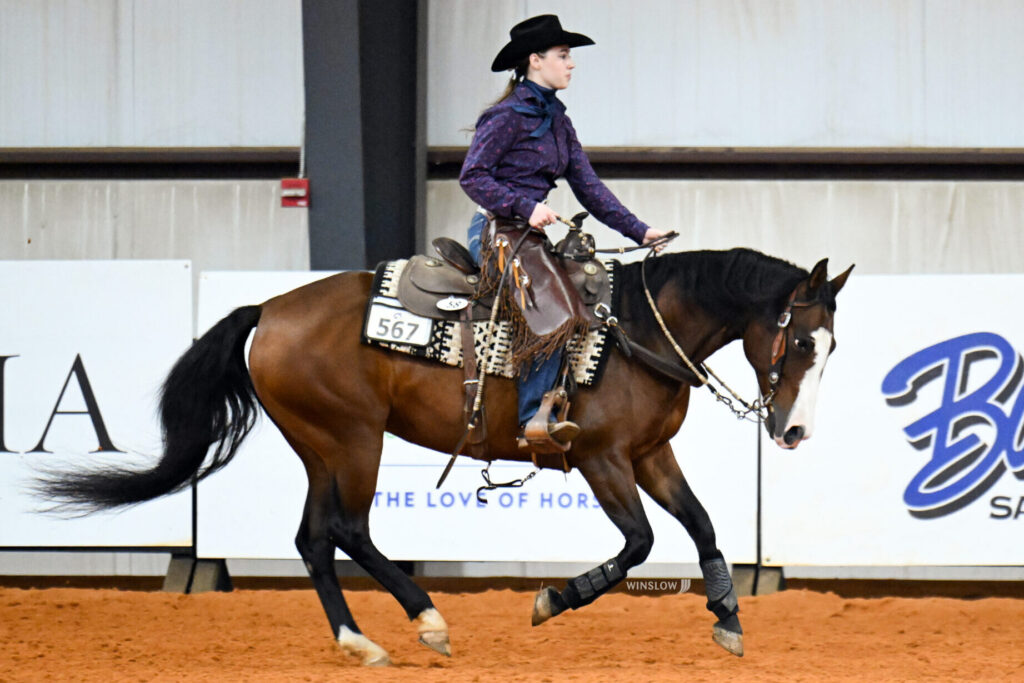
NCEA coaches recruit riders already competing at a high level. For western hopefuls, that means regular AQHA- or NRHA-sanctioned shows in horsemanship and reining, not just local schooling shows.
The #1 trait coaches look for: adaptability
Every NCEA rider competes on a horse she’s never sat on before, drawn at random, with only a few minutes to warm up. Coaches want riders who’ve shown a variety of horses, not just one familiar youth mount, and who stay composed when a run doesn’t go their way.
Grades matter more than you’d think
Complete 16 NCAA-approved core courses and register with the NCAA Eligibility Center by sophomore year. Coaches also notice extracurriculars: clubs, volunteering and leadership show you can balance a full course load with practice three times a week, study hall and travel.
>>> More Details Here <<<
4 ways to stand out
- Attend a prospect camp. Most NCEA programs run one starting as early as ninth grade, on the same horses and facilities the team uses.
- Build a recruiting video with range, not just your best run: schooling and show footage, no-stirrup work, at least three different horses, filmed up close.
- Log every show and its prize money starting freshman year. NCEA prospects must stay under the NCAA’s amateur threshold each year.
- Reach out to coaches early, and keep updating them. They can’t respond before June 15 after sophomore year, but they’re watching before then.
How to Apply
Every NCEA school follows the same NCAA calendar.
The timeline
| Stage | What happens |
|---|---|
| Freshman/sophomore year | Register with the NCAA Eligibility Center, research schools, attend a college meet, start logging shows and prize money, send questionnaires |
| June 15 after sophomore year | Recruiting opens: coaches can now call, email, text and respond to you |
| Junior year, from Aug. 1 | Unofficial visits (self-funded) begin; official visits (school-funded, 5 max) become available |
| Senior year | Finish core courses and testing; sign a National Letter of Intent if offered, the only binding step |
What to send
A riding video under 10 minutes, a riding resume and a short intro email, all labeled with your name and graduation year. No response in 2 weeks? A follow-up is normal, not pushy.
>>> How Black Hawk College rider Alessandra Rivera found confidence in collegiate riding <<<
Find My School


Program Match
Where would you fit?
Answer a few quick questions and we’ll build a list of NCEA and IHSA Western programs that are a realistic match for you. Tap any program for the full profile.