



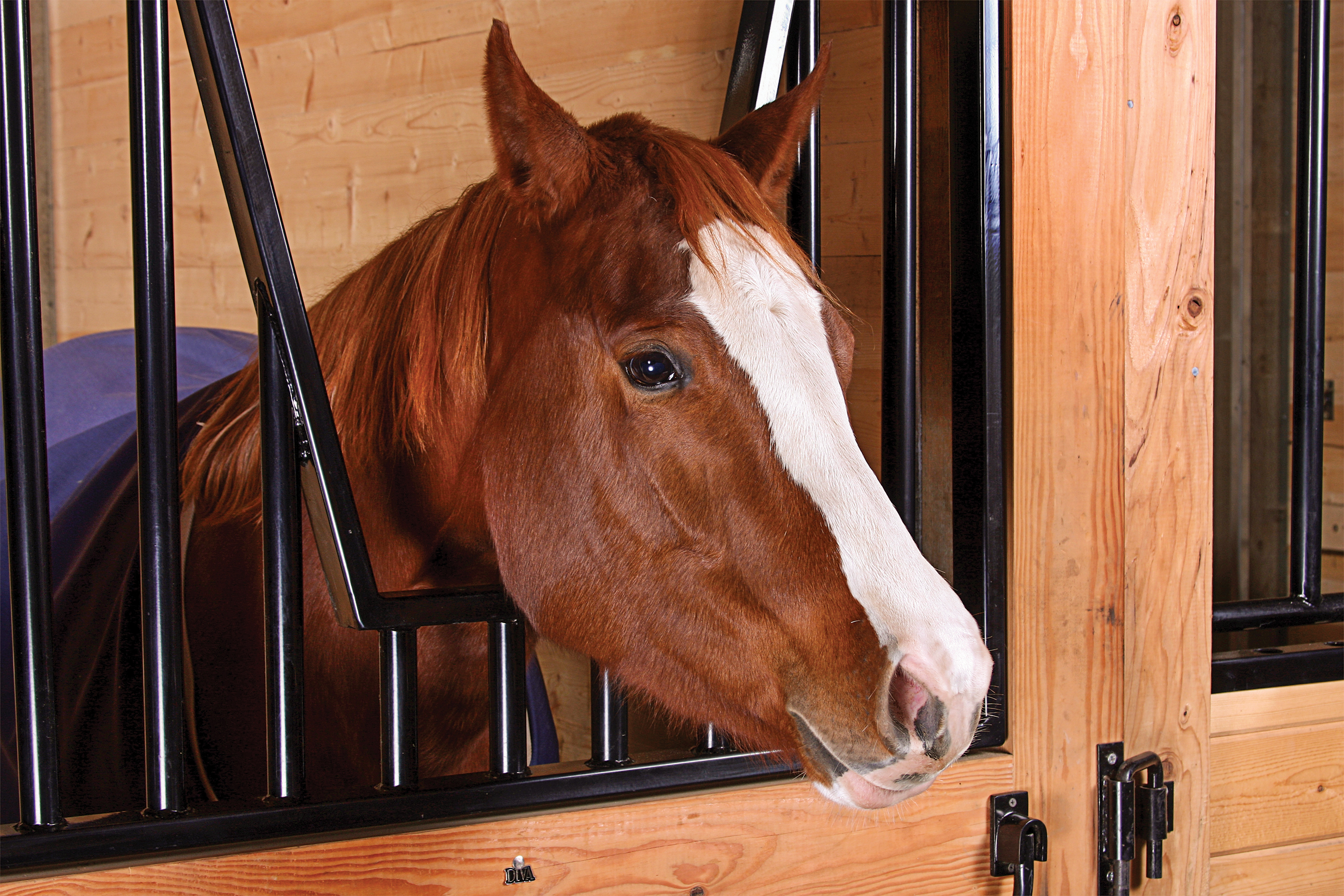
Exposed? Guard against illness
If you think your horse has been exposed to disease, isolate him from other equines. “Normally, within 24 to 48 hours of exposure, infected horses begin to demonstrate coughing, fever, depression, and decreased feed intake,” says Dr. Kevin Hankins, senior technical services veterinarian with Zoetis. He recommends you touch base with your vet; then if signs of sickness do appear, your vet can move quickly to diagnose the illness and begin treatment. Keep germs from spreading by following biosecurity practices (review the steps at HorseandRider.com).
[READ ABOUT: Know Horse Health]
Monitor Your Horse
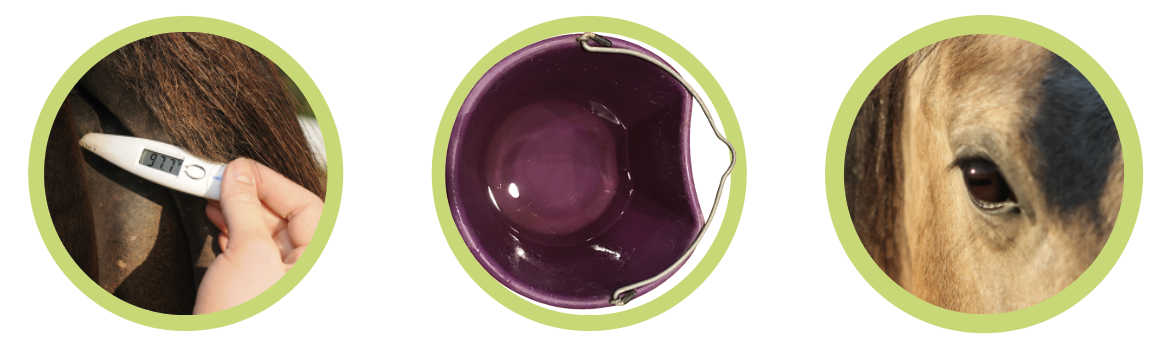
temperature
Take your horse’s temperature twice daily and report readings over 101.5˚F to your vet.
food
Check regularly to make sure your horse is eating and drinking as he normally does.
demeanor
Watch your horse’s behavior and attitude, as depression is an early sign of illness.
Stop Core Diseases
For best disease protection, work proactively alongside your veterinarian to vaccinate your horse annually against the five core equine diseases, all of which can be fatal:
- Eastern equine encephalomyelitis
- Western equine encephalomyelitis
- Rabies
- Tetanus
- West Nile virus
Consider your horse’s lifestyle, and discuss with your vet whether your horse may benefit from risk-based vaccinations to help protect against certain other diseases such as equine influenza, equine herpesvirus, or strangles.